
Emergency Tree Removal for Storm Damage in Fort Wayne
Emergency Tree Removal for Storm Damage in Fort Wayne
Emergency Tree Removal in Fort Wayne — 24/7 Rapid Response & Complete Cleanup
Severe weather can leave trees split, uprooted, or draped over buildings — hazards that need fast, professional attention. This guide explains when storm damage becomes an emergency, how safe removals are handled, and what Fort Wayne homeowners should do first: secure the area, document damage for insurance, and arrange cleanup. For urgent help, Jason Pence Tree Service, Corp offers local, on-the-ground response 24/7; request a free estimate or call the crew at (260) 627-2332. Below we map common storm failures, outline emergency equipment and steps, and cover costs and insurance details specific to Fort Wayne and nearby towns. Read on to spot immediate risks, gather evidence for claims, and know what to expect from a licensed, insured emergency team.
When Is Storm Damage an Emergency in Fort Wayne?
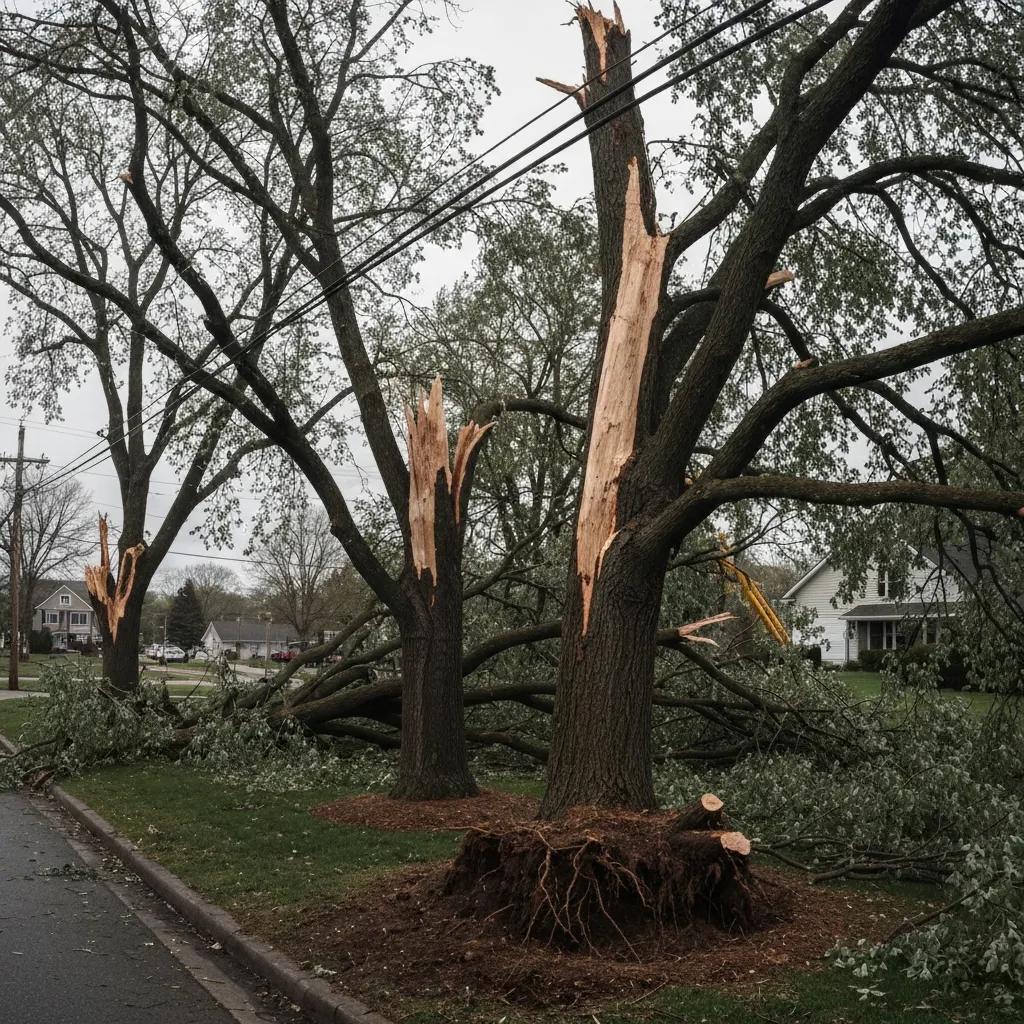
Storm damage becomes an emergency whenever a tree or limb threatens life, a building, or critical infrastructure like power lines. Knowing common failure patterns — uprooted trees, split trunks, cracks that run through the trunk, and ice‑loaded limbs — helps you decide whether to evacuate, rope off the area, and call professional responders. Quick, accurate identification limits secondary damage and prevents injuries by focusing resources on the most dangerous hazards instead of non‑urgent cleanup. Below are the most frequent storm failures and immediate actions homeowners should take while waiting for professionals.
Tree Failure and Storm Damage: Property and Injury Risks
Tree failure after a windstorm — studies show different failure types can cause significant property damage and personal injury. Example: Tree failure following a windstorm in Brewster, Massachusetts. — B. Kane, 2008
- Fallen trees blocking exits or resting on homes, vehicles, or utility lines — these require specialized removal.
- Split trunks and long cracks that can give way with little warning.
- Uprooted trees where the root plate has failed and the tree may topple further.
- Ice‑laden limbs that bend, snap, and threaten roofs, driveways, and power lines.
Each of these failures can worsen quickly if left unattended. The sections that follow look specifically at ice and wind damage in Fort Wayne.
How Do Ice Storms Affect Trees in Fort Wayne?
Ice builds weight on branches and weak unions, often causing sudden, unpredictable breaks. In Fort Wayne winters, ice load can make limbs sag, split, or crack — sometimes you’ll hear the wood give. Hanging shards, partially split trunks, and heavily bent limbs are signs a collapse could be imminent. When several branches are compromised, whole sections of canopy can fall onto roofs or vehicles and usually require careful rigging, bucket trucks, or cranes to remove without causing more damage. If you see large limbs sagging, hear cracking, or spot ice‑coated splits near structures, secure the area and call professional emergency removal right away.
What Are the Signs of Wind Damage and Uprooted Trees?
Strong winds can snap limbs, loosen roots, and create splits that turn a stable tree into a hazard quickly. Red flags for immediate danger include an exposed root plate, soil cracking around the trunk, a fresh trunk fracture, or a tree leaning against a house or power line. Stay away from compromised trees, keep people and pets inside, and take photos from a safe distance to help insurance claims. Spotting these signs early helps you prioritize rescue calls and lets crews triage the site when they arrive.
Wind Storms and Tree Failure: Property Damage and Injury Risks
Analyses of open‑grown tree failures during wind events show that tree failure can seriously damage property and injure people. See: Analysis of the probability of failure for open‑grown trees during wind storms — C. Ciftci, 2014
What Emergency Services Does Jason Pence Tree Service Offer in Fort Wayne?
Emergency services focus on removing immediate hazards, stabilizing structures, and clearing debris so you and your property are safe. We handle fallen trees on homes and yards, remove dangerous hanging limbs, grind stumps that remain a hazard, and haul debris off‑site to restore safe access. Jason Pence Tree Service provides true 24/7 response, full job‑site cleanup, free estimates, and heavy equipment — bucket trucks, cranes, stump grinders, chippers, and aerial lifts — for complex jobs done safely.
The table below shows when each emergency service is used and the expected equipment and result:
This comparison explains when each service is appropriate and what equipment crews use to deliver a safe result. The next sections cover on‑site safety, cleanup, and why stump removal matters after a storm.
How Is a Fallen Tree Safely Removed from Homes and Properties?
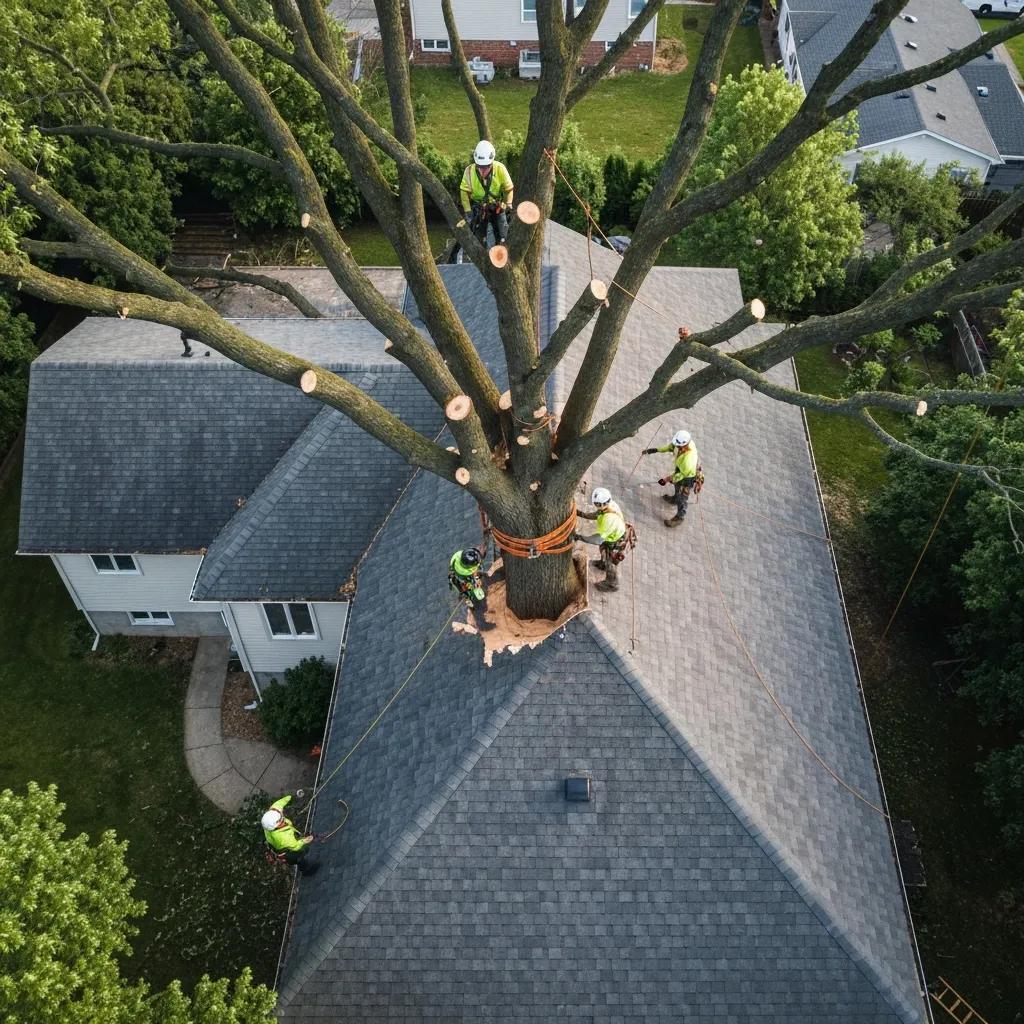
Removal starts with a careful risk assessment and staged, engineering‑minded planning to avoid secondary collapse or added structural damage. Crews secure unstable sections with ropes and rigging, use cranes or aerial lifts when a load sits on a roof, and protect skylights, chimneys, and utility connections during cutting. Our staged approach — stabilize, segment, lift, remove — minimizes risk to workers and residents and lets us place large pieces safely for grinding or haul‑away. That methodical sequence keeps the job controlled and prepares the site for cleanup and repairs.
What Does Hazardous Limb and Debris Cleanup Involve?
Cleanup includes removing hanging branches, chipping cut material, hauling large sections away, and reopening driveways and walkways. Crews use chippers to turn limbs into mulch, grinders for stumps, and haul trucks for non‑reusable debris, following local disposal rules. Grinding and mulching on‑site is often an eco‑friendly option that returns material for landscaping use. Thorough cleanup completes the emergency response and removes tripping and fire hazards from the property.
How Does Our 24/7 Rapid Response Work After Storms?
True 24/7 response means calls are prioritized, the most dangerous situations are triaged first, and we send the right crew and equipment for the job. Dispatchers collect key details — location, power line involvement, and signs of structural damage — to set priority and resources. On arrival, crews do a quick safety survey, secure a perimeter, and stabilize hazards before full removal begins. That triage shortens time to mitigation for the highest‑risk homes and lowers the chance of injury or additional damage.
Urban Tree Failure Patterns After Storms
Observations of failed and standing trees after storms help detect failure patterns and guide response strategies. See: Defective or just different? Observed storm failure in four urban tree growth patterns — A.K. Koeser, 2023
Why Remove Stumps After Storm Damage?
Leftover stumps create trip hazards, block restoration work, and can invite pests or disease that harm nearby trees. Grinding a stump restores usable grade, makes replanting easier, and produces mulch you can reuse. Removing stumps also prevents regrowth and decay that attract wood‑boring insects or fungi. If you’re rebuilding or landscaping after a storm, stump grinding is a practical final step to make the yard safe and functional again.
This table highlights cleanup options and the benefits each provides for restoring safe, usable outdoor spaces after storm work.
Why Choose Jason Pence Tree Service for Emergency Storm Work in Fort Wayne?
Pick a provider that combines quick availability, proven ability, and clear protections for people and property. Jason Pence Tree Service delivers on those priorities: 24/7 emergency response, licensed and insured crews, heavy equipment (including cranes and aerial lifts), professional cleanup, and free estimates to help you plan next steps. Those strengths translate to faster hazard removal, lower liability risk, and one reliable point of contact during a stressful time.
Linking strengths to outcomes makes it clear how our services protect homeowners in an emergency. The next sections explain local experience, equipment benefits, insurance protections, and on‑site safety steps.
What Local Experience and Certified Arborist Expertise Do We Offer?
Local experience means we know regional storm patterns, common species failures, and municipal procedures — knowledge that speeds safe emergency response. Jason Pence Tree Service is a third‑generation, locally rooted company (founded 1992) with crews familiar with Northeast Indiana weather and tree issues. Our arborist‑level diagnostics help determine whether to remove, stabilize, or recommend follow‑up care to lower future risk. That experience shortens assessment time and improves decisions under pressure.
How Does Advanced Equipment Improve Safety and Speed?
Specialized gear — bucket trucks, cranes, grinders, chippers, and aerial lifts — turns high‑risk removals into controlled, staged operations that reduce collateral damage. Cranes and lifts let crews lower heavy pieces away from roofs and utilities; chippers and grinders speed cleanup and cut on‑site volume. The right equipment cuts manual lifting and exposure to drop zones, improving worker safety and shortening the time your property remains at risk.
How Does Being Licensed and Insured Protect Your Property?
Hiring a licensed, insured firm reduces homeowner liability and ensures accountability if something goes wrong. Licensing shows we follow local rules and professional standards; insurance protects workers and property owners from costs tied to on‑site incidents. Ask for proof of insurance before work begins — it gives peace of mind, especially for complex jobs near structures or utilities. Jason Pence Tree Service highlights licensing and insurance as part of our professional service package.
What Safety and Property Protection Measures Do We Follow?
On‑site safety starts with a secure perimeter, coordinating with utilities when lines are involved, and using rigging and barriers to prevent collateral damage. Crews set up traffic control if driveways or streets are affected, use fall‑prevention systems when working aloft, and cut in stages to avoid uncontrolled drops. We may place protective canvas or cribbing near roofs and siding during segment removal. These measures lower the risk of additional damage and leave the site safe for occupants.
How the Emergency Tree Removal Process Works with Jason Pence Tree Service
A clear, repeatable process helps homeowners know timelines, responsibilities, and expected results from the first call to final cleanup. Our approach centers on rapid triage, an on‑site safety plan, staged removal with the right equipment, and documentation for insurance and follow‑up care. Below is the typical workflow for emergency response, followed by cleanup and environmental care practices you can expect after the job.
When a storm causes hazardous tree damage, the emergency removal process generally follows these steps:
- Call and Dispatch: You report the location and hazard; dispatchers triage severity and set priority.
- Initial Assessment: Crew checks safety risks, utility involvement, and equipment needs on arrival.
- Stabilization: Crews secure unstable sections and establish perimeters before cutting begins.
- Removal Execution: Staged cutting, rigging, and lifting remove hazardous parts safely.
- Cleanup and Documentation: Debris is chipped or hauled, stumps ground if requested, and paperwork prepared for insurance.
- Follow‑up Support: Crew outlines next steps for restoration or preventive care.
What Happens from First Contact to Job Completion?
At first contact, dispatchers collect critical details to set priority and equipment needs, then assign a crew with the right tools. On arrival, the team performs a focused safety assessment, secures a perimeter, and stabilizes immediate threats before full removal. Cutting and rigging are done in planned stages to lower loads safely, using cranes or bucket trucks when needed. After removal, crews chip material, grind stumps if requested, haul debris away, and finish with a site inspection and documentation to support insurance claims and next steps.
How Is Job Site Cleanup and Environmental Care Managed?
Cleanup includes chipping branches to reduce volume, grinding stumps to restore grade, hauling non‑reusable debris for proper disposal, and offering mulch reuse when suitable. Environmentally friendly options like grinding and on‑site mulch reuse reduce waste and speed landscape restoration. Crews aim to leave driveways and walkways clear so you can resume normal activity. We provide photos and itemized removal records to help you file insurance claims efficiently.
This table shows how attributes affect pricing and helps homeowners anticipate the relative complexity of emergency work.
Where Does Jason Pence Tree Service Respond for Emergency Tree Removal?
Local presence matters after storms: proximity shortens response time, and local knowledge speeds coordination with utilities and authorities. Jason Pence Tree Service serves Fort Wayne, Leo, Grabill, Auburn, and nearby neighborhoods across Northeast Indiana, prioritizing urgent calls by risk and distance from crew resources. Familiarity with regional storm patterns, tree species, and local ordinances lets crews act quickly and in compliance with community requirements. The list below names primary communities and explains how local coverage improves storm response.
- Fort Wayne — rapid urban response and utility coordination when it matters most.
- Leo — faster access to suburban properties affected by regional storms.
- Grabill — plans for rural access and specific hauling or staging needs.
- Auburn — quick mitigation after strong wind or ice events.
Serving these communities helps ensure faster arrival and better on‑site planning for emergency jobs across Northeast Indiana.
Which Nearby Communities Are Covered?
Coverage focuses on Fort Wayne and nearby towns, and extends to surrounding neighborhoods across Northeast Indiana so we can prioritize the most hazardous calls. Local crews often arrive quicker than non‑local contractors and know municipal permitting and utility contact procedures that speed repairs. Shorter travel for heavy equipment also gives more flexible scheduling during peak storm periods. Homeowners in these areas benefit from faster stabilization and clearer communication about arrival windows.
Costs and Insurance Considerations for Emergency Tree Removal in Fort Wayne
Emergency removal costs depend on objective factors like tree size, access, damage severity, and specialized equipment or permits. Document damage carefully, get a free written estimate from a licensed provider, and keep invoices and photos for claims. Jason Pence Tree Service offers free estimates and provides documentation that helps you and your insurer understand the scope of work and why specific equipment and labor were required. The table below explains how cost factors affect common services and includes a homeowner checklist for insurance claims.
- Take clear, dated photos from a safe distance showing the damaged tree and any affected structures.
- Keep the free written estimate and the final invoice from the contractor for your claim.
- Record times and notes from professional contact, including dispatcher details and crew arrival.
- Hold large debris only if your insurer requests inspection; otherwise let the crew clear hazards.
What Drives the Cost of Emergency Tree Removal?
Main cost drivers are tree size and species, proximity to buildings or power lines, access to the site, and need for cranes or special rigging. A large tree leaning on a roof or an uprooted tree near a utility line requires more crew time, equipment, and careful staging, which raises labor and rental costs. Debris volume and stump grinding add to the total as hauling and disposal fees apply. Knowing these factors helps you compare estimates and consider staged work to manage costs when appropriate.
How Can Jason Pence Tree Service Help with Insurance Claims?
We provide free estimates and post‑job documentation you can submit to your insurer to show the scope and necessity of emergency work. Crews supply itemized invoices, before‑and‑after photos, and written descriptions of stabilization steps taken to reduce immediate hazards. Forward this documentation to your insurer quickly and keep records of all communications — detailed contractor notes often speed up the claim review. Working with a licensed, insured provider makes it easier for adjusters to verify work and supports a smoother claims process.
This table summarizes common cost items and how they affect final pricing so you can read estimates with more confidence.
Frequently Asked Questions
What should I do immediately after a storm if my tree is damaged?
From a safe distance, assess the scene. If a tree is leaning dangerously or has fallen on your property, keep people and pets inside and out of harm’s way. Take clear, dated photos from a safe spot and note the time. Don’t touch trees near power lines. Call a professional emergency tree service like Jason Pence Tree Service for an assessment and removal if needed.
How can I prepare my property for future storms?
Regular tree maintenance — pruning and health checks by a certified arborist — helps prevent storm damage. Remove dead or weak trees that threaten structures. Confirm your insurance covers storm damage to trees, and make an emergency plan with contacts and evacuation routes so you can act quickly during severe weather.
What are the risks of attempting DIY tree removal after a storm?
DIY removal can be very dangerous, especially for large, leaning, or power‑line‑adjacent trees. Risks include serious injury from falling limbs, improper cuts that worsen damage, and accidental property harm. Without proper equipment and training you may increase costs and danger. Hire professionals trained to handle emergency removals safely.
How does insurance typically cover emergency tree removal costs?
Coverage varies by policy, but homeowners insurance often covers removal when a tree threatens your home or other insured structures. Document damage carefully and keep all estimates and invoices. Contact your insurer to confirm coverage and deductibles. Working with a licensed tree service makes it easier to provide the documentation adjusters need.
What should I look for when choosing a tree removal service?
Choose a company that is licensed, insured, and well reviewed locally. Confirm experience with emergency removals and the right equipment for safe operations. A dependable service will offer free estimates and clear explanations of process, costs, and safety measures before starting work.
Are there environmental considerations with tree removal?
Yes. Responsible services minimize waste by chipping and reusing wood as mulch or compost and assess ecological impacts before removing trees that support wildlife. After removal, consider replanting native species to restore habitat. Talk with your tree service about eco‑friendly disposal and replanting options.
What follow-up care is needed after tree removal?
Follow‑up can include stump grinding to prevent regrowth and remove trip hazards, monitoring for pests or disease, and soil preparation if you’ll replant. A professional arborist can advise on the best steps to restore the area and protect nearby trees.
**



Leave a Reply