
Emergency Tree Removal for Storm Damage in Fort Wayne
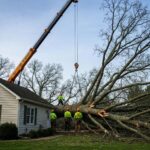
Emergency Tree Removal for Storm Damage in Fort Wayne
Emergency Tree Removal in Fort Wayne — 24/7 Rapid Response & Complete Cleanup
Severe weather can leave trees split, uprooted, or draped over buildings — hazards that need fast, professional attention. This guide explains when storm damage becomes an emergency, how safe removals are handled, and what Fort Wayne homeowners should do first: secure the area, document damage for insurance, and arrange cleanup. For urgent help, Jason Pence Tree Service, Corp offers local, on-the-ground response 24/7; request a free estimate or call the crew at (260) 627-2332. Below we map common storm failures, outline emergency equipment and steps, and cover costs and insurance details specific to Fort Wayne and nearby towns. Read on to spot immediate risks, gather evidence for claims, and know what to expect from a licensed, insured emergency team.
When Is Storm Damage an Emergency in Fort Wayne?
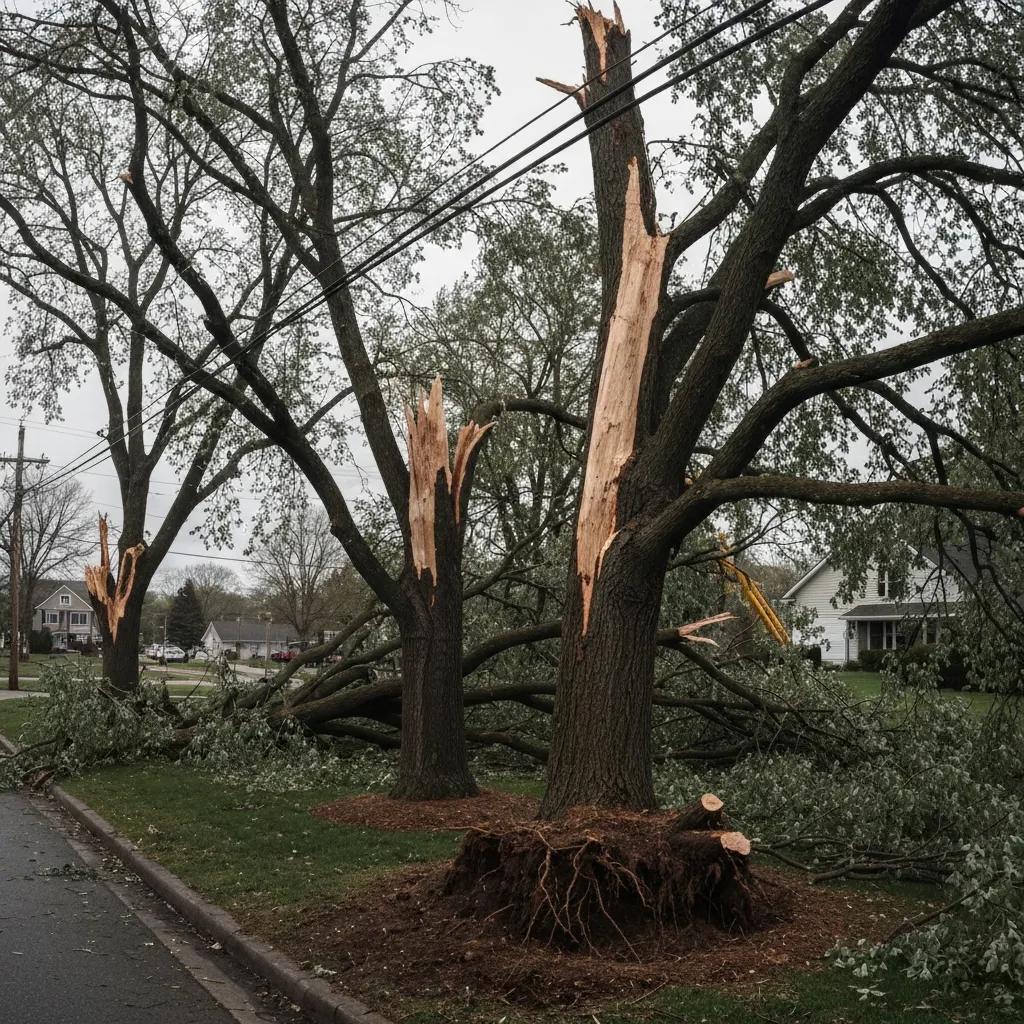
Storm damage becomes an emergency whenever a tree or limb threatens life, a building, or critical infrastructure like power lines. Knowing common failure patterns — uprooted trees, split trunks, cracks that run through the trunk, and ice‑loaded limbs — helps you decide whether to evacuate, rope off the area, and call professional responders. Quick, accurate identification limits secondary damage and prevents injuries by focusing resources on the most dangerous hazards instead of non‑urgent cleanup. Below are the most frequent storm failures and immediate actions homeowners should take while waiting for professionals.
Tree Failure and Storm Damage: Property and Injury Risks
Tree failure after a windstorm — studies show different failure types can cause significant property damage and personal injury. Example: Tree failure following a windstorm in Brewster, Massachusetts. — B. Kane, 2008
- Fallen trees blocking exits or resting on homes, vehicles, or utility lines — these require specialized removal.
- Split trunks and long cracks that can give way with little warning.
- Uprooted trees where the root plate has failed and the tree may topple further.
- Ice‑laden limbs that bend, snap, and threaten roofs, driveways, and power lines.
Each of these failures can worsen quickly if left unattended. The sections that follow look specifically at ice and wind damage in Fort Wayne.
How Do Ice Storms Affect Trees in Fort Wayne?
Ice builds weight on branches and weak unions, often causing sudden, unpredictable breaks. In Fort Wayne winters, ice load can make limbs sag, split, or crack — sometimes you’ll hear the wood give. Hanging shards, partially split trunks, and heavily bent limbs are signs a collapse could be imminent. When several branches are compromised, whole sections of canopy can fall onto roofs or vehicles and usually require careful rigging, bucket trucks, or cranes to remove without causing more damage. If you see large limbs sagging, hear cracking, or spot ice‑coated splits near structures, secure the area and call professional emergency removal right away.
What Are the Signs of Wind Damage and Uprooted Trees?
Strong winds can snap limbs, loosen roots, and create splits that turn a stable tree into a hazard quickly. Red flags for immediate danger include an exposed root plate, soil cracking around the trunk, a fresh trunk fracture, or a tree leaning against a house or power line. Stay away from compromised trees, keep people and pets inside, and take photos from a safe distance to help insurance claims. Spotting these signs early helps you prioritize rescue calls and lets crews triage the site when they arrive.
Wind Storms and Tree Failure: Property Damage and Injury Risks
Analyses of open‑grown tree failures during wind events show that tree failure can seriously damage property and injure people. See: Analysis of the probability of failure for open‑grown trees during wind storms — C. Ciftci, 2014
What Emergency Services Does Jason Pence Tree Service Offer in Fort Wayne?
Emergency services focus on removing immediate hazards, stabilizing structures, and clearing debris so you and your property are safe. We handle fallen trees on homes and yards, remove dangerous hanging limbs, grind stumps that remain a hazard, and haul debris off‑site to restore safe access. Jason Pence Tree Service provides true 24/7 response, full job‑site cleanup, free estimates, and heavy equipment — bucket trucks, cranes, stump grinders, chippers, and aerial lifts — for complex jobs done safely.
The table below shows when each emergency service is used and the expected equipment and result:
This comparison explains when each service is appropriate and what equipment crews use to deliver a safe result. The next sections cover on‑site safety, cleanup, and why stump removal matters after a storm.
How Is a Fallen Tree Safely Removed from Homes and Properties?
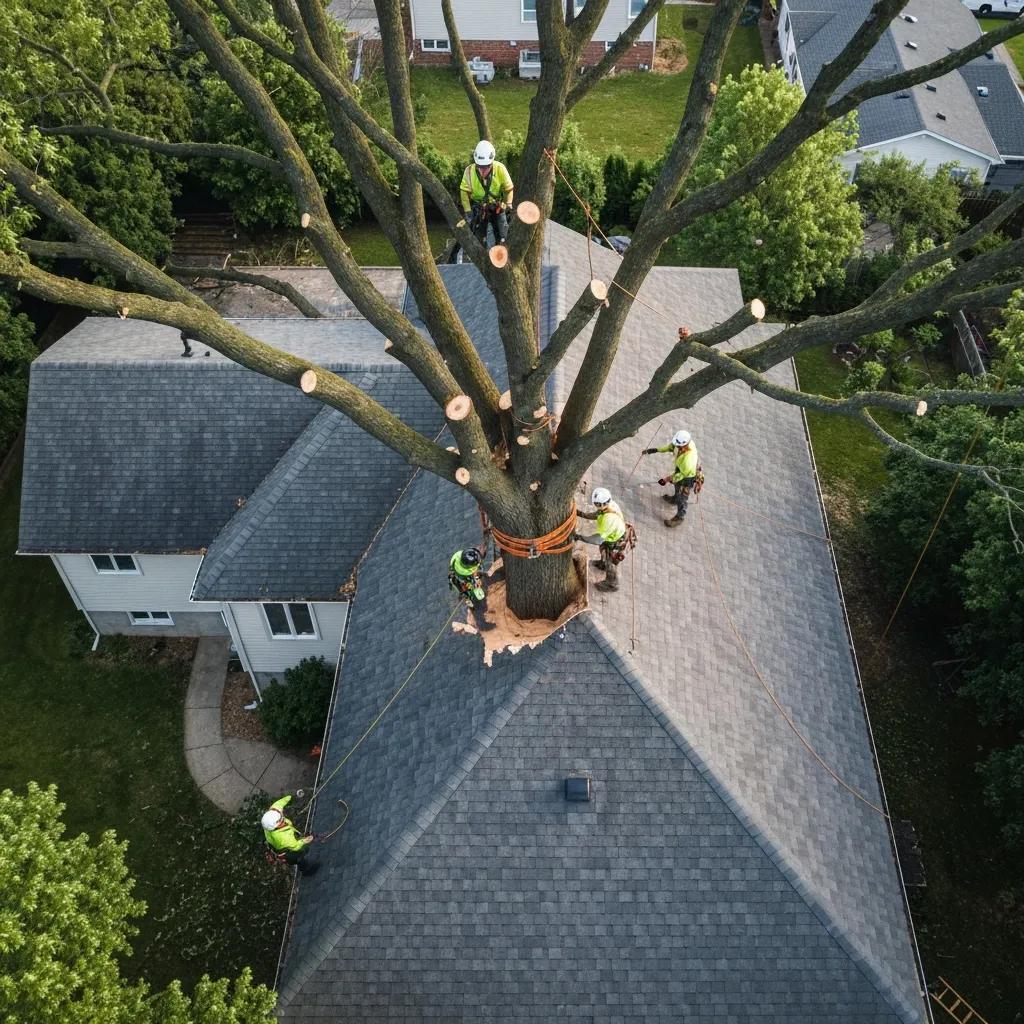
Removal starts with a careful risk assessment and staged, engineering‑minded planning to avoid secondary collapse or added structural damage. Crews secure unstable sections with ropes and rigging, use cranes or aerial lifts when a load sits on a roof, and protect skylights, chimneys, and utility connections during cutting. Our staged approach — stabilize, segment, lift, remove — minimizes risk to workers and residents and lets us place large pieces safely for grinding or haul‑away. That methodical sequence keeps the job controlled and prepares the site for cleanup and repairs.
What Does Hazardous Limb and Debris Cleanup Involve?
Cleanup includes removing hanging branches, chipping cut material, hauling large sections away, and reopening driveways and walkways. Crews use chippers to turn limbs into mulch, grinders for stumps, and haul trucks for non‑reusable debris, following local disposal rules. Grinding and mulching on‑site is often an eco‑friendly option that returns material for landscaping use. Thorough cleanup completes the emergency response and removes tripping and fire hazards from the property.
How Does Our 24/7 Rapid Response Work After Storms?
True 24/7 response means calls are prioritized, the most dangerous situations are triaged first, and we send the right crew and equipment for the job. Dispatchers collect key details — location, power line involvement, and signs of structural damage — to set priority and resources. On arrival, crews do a quick safety survey, secure a perimeter, and stabilize hazards before full removal begins. That triage shortens time to mitigation for the highest‑risk homes and lowers the chance of injury or additional damage.
Urban Tree Failure Patterns After Storms
Observations of failed and standing trees after storms help detect failure patterns and guide response strategies. See: Defective or just different? Observed storm failure in four urban tree growth patterns — A.K. Koeser, 2023
Why Remove Stumps After Storm Damage?
Leftover stumps create trip hazards, block restoration work, and can invite pests or disease that harm nearby trees. Grinding a stump restores usable grade, makes replanting easier, and produces mulch you can reuse. Removing stumps also prevents regrowth and decay that attract wood‑boring insects or fungi. If you’re rebuilding or landscaping after a storm, stump grinding is a practical final step to make the yard safe and functional again.
This table highlights cleanup options and the benefits each provides for restoring safe, usable outdoor spaces after storm work.
Why Choose Jason Pence Tree Service for Emergency Storm Work in Fort Wayne?
Pick a provider that combines quick availability, proven ability, and clear protections for people and property. Jason Pence Tree Service delivers on those priorities: 24/7 emergency response, licensed and insured crews, heavy equipment (including cranes and aerial lifts), professional cleanup, and free estimates to help you plan next steps. Those strengths translate to faster hazard removal, lower liability risk, and one reliable point of contact during a stressful time.
Linking strengths to outcomes makes it clear how our services protect homeowners in an emergency. The next sections explain local experience, equipment benefits, insurance protections, and on‑site safety steps.
What Local Experience and Certified Arborist Expertise Do We Offer?
Local experience means we know regional storm patterns, common species failures, and municipal procedures — knowledge that speeds safe emergency response. Jason Pence Tree Service is a third‑generation, locally rooted company (founded 1992) with crews familiar with Northeast Indiana weather and tree issues. Our arborist‑level diagnostics help determine whether to remove, stabilize, or recommend follow‑up care to lower future risk. That experience shortens assessment time and improves decisions under pressure.
How Does Advanced Equipment Improve Safety and Speed?
Specialized gear — bucket trucks, cranes, grinders, chippers, and aerial lifts — turns high‑risk removals into controlled, staged operations that reduce collateral damage. Cranes and lifts let crews lower heavy pieces away from roofs and utilities; chippers and grinders speed cleanup and cut on‑site volume. The right equipment cuts manual lifting and exposure to drop zones, improving worker safety and shortening the time your property remains at risk.
How Does Being Licensed and Insured Protect Your Property?
Hiring a licensed, insured firm reduces homeowner liability and ensures accountability if something goes wrong. Licensing shows we follow local rules and professional standards; insurance protects workers and property owners from costs tied to on‑site incidents. Ask for proof of insurance before work begins — it gives peace of mind, especially for complex jobs near structures or utilities. Jason Pence Tree Service highlights licensing and insurance as part of our professional service package.
What Safety and Property Protection Measures Do We Follow?
On‑site safety starts with a secure perimeter, coordinating with utilities when lines are involved, and using rigging and barriers to prevent collateral damage. Crews set up traffic control if driveways or streets are affected, use fall‑prevention systems when working aloft, and cut in stages to avoid uncontrolled drops. We may place protective canvas or cribbing near roofs and siding during segment removal. These measures lower the risk of additional damage and leave the site safe for occupants.
How the Emergency Tree Removal Process Works with Jason Pence Tree Service
A clear, repeatable process helps homeowners know timelines, responsibilities, and expected results from the first call to final cleanup. Our approach centers on rapid triage, an on‑site safety plan, staged removal with the right equipment, and documentation for insurance and follow‑up care. Below is the typical workflow for emergency response, followed by cleanup and environmental care practices you can expect after the job.
When a storm causes hazardous tree damage, the emergency removal process generally follows these steps:
- Call and Dispatch: You report the location and hazard; dispatchers triage severity and set priority.
- Initial Assessment: Crew checks safety risks, utility involvement, and equipment needs on arrival.
- Stabilization: Crews secure unstable sections and establish perimeters before cutting begins.
- Removal Execution: Staged cutting, rigging, and lifting remove hazardous parts safely.
- Cleanup and Documentation: Debris is chipped or hauled, stumps ground if requested, and paperwork prepared for insurance.
- Follow‑up Support: Crew outlines next steps for restoration or preventive care.
What Happens from First Contact to Job Completion?
At first contact, dispatchers collect critical details to set priority and equipment needs, then assign a crew with the right tools. On arrival, the team performs a focused safety assessment, secures a perimeter, and stabilizes immediate threats before full removal. Cutting and rigging are done in planned stages to lower loads safely, using cranes or bucket trucks when needed. After removal, crews chip material, grind stumps if requested, haul debris away, and finish with a site inspection and documentation to support insurance claims and next steps.
How Is Job Site Cleanup and Environmental Care Managed?
Cleanup includes chipping branches to reduce volume, grinding stumps to restore grade, hauling non‑reusable debris for proper disposal, and offering mulch reuse when suitable. Environmentally friendly options like grinding and on‑site mulch reuse reduce waste and speed landscape restoration. Crews aim to leave driveways and walkways clear so you can resume normal activity. We provide photos and itemized removal records to help you file insurance claims efficiently.
This table shows how attributes affect pricing and helps homeowners anticipate the relative complexity of emergency work.
Where Does Jason Pence Tree Service Respond for Emergency Tree Removal?
Local presence matters after storms: proximity shortens response time, and local knowledge speeds coordination with utilities and authorities. Jason Pence Tree Service serves Fort Wayne, Leo, Grabill, Auburn, and nearby neighborhoods across Northeast Indiana, prioritizing urgent calls by risk and distance from crew resources. Familiarity with regional storm patterns, tree species, and local ordinances lets crews act quickly and in compliance with community requirements. The list below names primary communities and explains how local coverage improves storm response.
- Fort Wayne — rapid urban response and utility coordination when it matters most.
- Leo — faster access to suburban properties affected by regional storms.
- Grabill — plans for rural access and specific hauling or staging needs.
- Auburn — quick mitigation after strong wind or ice events.
Serving these communities helps ensure faster arrival and better on‑site planning for emergency jobs across Northeast Indiana.
Which Nearby Communities Are Covered?
Coverage focuses on Fort Wayne and nearby towns, and extends to surrounding neighborhoods across Northeast Indiana so we can prioritize the most hazardous calls. Local crews often arrive quicker than non‑local contractors and know municipal permitting and utility contact procedures that speed repairs. Shorter travel for heavy equipment also gives more flexible scheduling during peak storm periods. Homeowners in these areas benefit from faster stabilization and clearer communication about arrival windows.
Costs and Insurance Considerations for Emergency Tree Removal in Fort Wayne
Emergency removal costs depend on objective factors like tree size, access, damage severity, and specialized equipment or permits. Document damage carefully, get a free written estimate from a licensed provider, and keep invoices and photos for claims. Jason Pence Tree Service offers free estimates and provides documentation that helps you and your insurer understand the scope of work and why specific equipment and labor were required. The table below explains how cost factors affect common services and includes a homeowner checklist for insurance claims.
- Take clear, dated photos from a safe distance showing the damaged tree and any affected structures.
- Keep the free written estimate and the final invoice from the contractor for your claim.
- Record times and notes from professional contact, including dispatcher details and crew arrival.
- Hold large debris only if your insurer requests inspection; otherwise let the crew clear hazards.
What Drives the Cost of Emergency Tree Removal?
Main cost drivers are tree size and species, proximity to buildings or power lines, access to the site, and need for cranes or special rigging. A large tree leaning on a roof or an uprooted tree near a utility line requires more crew time, equipment, and careful staging, which raises labor and rental costs. Debris volume and stump grinding add to the total as hauling and disposal fees apply. Knowing these factors helps you compare estimates and consider staged work to manage costs when appropriate.
How Can Jason Pence Tree Service Help with Insurance Claims?
We provide free estimates and post‑job documentation you can submit to your insurer to show the scope and necessity of emergency work. Crews supply itemized invoices, before‑and‑after photos, and written descriptions of stabilization steps taken to reduce immediate hazards. Forward this documentation to your insurer quickly and keep records of all communications — detailed contractor notes often speed up the claim review. Working with a licensed, insured provider makes it easier for adjusters to verify work and supports a smoother claims process.
This table summarizes common cost items and how they affect final pricing so you can read estimates with more confidence.
Frequently Asked Questions
What should I do immediately after a storm if my tree is damaged?
From a safe distance, assess the scene. If a tree is leaning dangerously or has fallen on your property, keep people and pets inside and out of harm’s way. Take clear, dated photos from a safe spot and note the time. Don’t touch trees near power lines. Call a professional emergency tree service like Jason Pence Tree Service for an assessment and removal if needed.
How can I prepare my property for future storms?
Regular tree maintenance — pruning and health checks by a certified arborist — helps prevent storm damage. Remove dead or weak trees that threaten structures. Confirm your insurance covers storm damage to trees, and make an emergency plan with contacts and evacuation routes so you can act quickly during severe weather.
What are the risks of attempting DIY tree removal after a storm?
DIY removal can be very dangerous, especially for large, leaning, or power‑line‑adjacent trees. Risks include serious injury from falling limbs, improper cuts that worsen damage, and accidental property harm. Without proper equipment and training you may increase costs and danger. Hire professionals trained to handle emergency removals safely.
How does insurance typically cover emergency tree removal costs?
Coverage varies by policy, but homeowners insurance often covers removal when a tree threatens your home or other insured structures. Document damage carefully and keep all estimates and invoices. Contact your insurer to confirm coverage and deductibles. Working with a licensed tree service makes it easier to provide the documentation adjusters need.
What should I look for when choosing a tree removal service?
Choose a company that is licensed, insured, and well reviewed locally. Confirm experience with emergency removals and the right equipment for safe operations. A dependable service will offer free estimates and clear explanations of process, costs, and safety measures before starting work.
Are there environmental considerations with tree removal?
Yes. Responsible services minimize waste by chipping and reusing wood as mulch or compost and assess ecological impacts before removing trees that support wildlife. After removal, consider replanting native species to restore habitat. Talk with your tree service about eco‑friendly disposal and replanting options.
What follow-up care is needed after tree removal?
Follow‑up can include stump grinding to prevent regrowth and remove trip hazards, monitoring for pests or disease, and soil preparation if you’ll replant. A professional arborist can advise on the best steps to restore the area and protect nearby trees.
**
Emergency Tree Removal in Fort Wayne Explained

Emergency Tree Removal in Fort Wayne Explained
Emergency Tree Removal in Fort Wayne — Fast, Safe, Local Tree Services You Can Trust
When a tree or large limb becomes a clear danger to people, property, utilities, or access, emergency tree removal is the quick, safety-first response that assesses the risk and removes the hazard. This guide explains what counts as an emergency in Fort Wayne, how emergency crews prioritize and remove threats, the main cost drivers, and practical steps homeowners can take to lower future risk through preventative care. You’ll find simple cues for spotting hazardous trees, a step-by-step storm-response workflow, and the documentation insurers typically need to speed up repairs. We also cover when to call a professional emergency arborist and which local providers cover Fort Wayne and nearby Northeast Indiana communities. Read on for clear checklists, cost and process summaries, and contact steps to follow when time matters most.
What Is Emergency Tree Removal and When Do You Need It in Fort Wayne?
Emergency tree removal is an urgent service focused on safety: crews quickly evaluate and remove trees or large limbs that present an immediate risk. A removal becomes an “emergency” when the tree shows signs of imminent structural failure—examples include a split trunk, an uprooted root plate, or large limbs hanging over people or buildings. Acting quickly reduces property damage, limits liability, and restores safe access. Emergency jobs often require specialized equipment and experienced crews. Knowing the common emergency scenarios and how to respond helps Fort Wayne residents protect people and speed insurance recovery after storms.
What Situations Qualify as a Tree Emergency?
Tree emergencies are situations where waiting makes injury, structural damage, or utility outages more likely. Typical emergency scenarios in Fort Wayne include trees that have fallen onto houses or vehicles, large limbs suspended above occupied areas, trees that have contacted power lines, and trees that have clearly split or been uprooted. If you encounter any of these, keep a safe distance, evacuate the immediate area if needed, and don’t try to move heavy debris yourself—the wood can hold dangerous tension. Call emergency services if life is at risk, and when it’s safe, photograph the scene for insurance documentation.
Jason Pence Tree Service, Inc. is a local provider that handles tree removal, stump grinding, and trimming across Fort Wayne, Leo, Grabill, Auburn, and surrounding Northeast Indiana neighborhoods.
The paragraph above leads into the provider overview below. Next we explain why a specialized emergency service matters and what capabilities to expect from a responder.
How to Identify Hazardous Trees Requiring Immediate Removal?

Spotting hazardous trees is about watching for visible and tactile signs that predict collapse. Key warning signs include large vertical or horizontal cracks in the trunk, major limb splits, fungal conks at the base that indicate internal decay, a lifted or heaving root plate after heavy rain, or a sudden increase in lean after strong winds. Also look for canopy instability—large limbs hanging by a few fibers or broken tops that could fall—and for trees touching power lines, which carry both electrocution and fall risk. If you see multiple signs or the tree sits near occupied structures, treat it as an emergency and call a professional crew.
Because tree failures can be complex and dangerous, a careful evaluation by trained personnel is often necessary to decide the safest course of action.
Hazard Tree Evaluation and Management for Public Safety
Where trees and people share space, the risk of injury or property damage from tree failure is a public concern. When the likelihood of significant damage is high and failure seems likely soon, immediate and decisive action may be required to reduce risk. If the chance of failure is low and the likely damage minimal, urgent removal may not be necessary. Deciding the right response in these situations can be complex and requires careful judgment.
Why Choose Jason Pence Tree Service for Emergency Tree Removal in Fort Wayne?
Emergency removal requires quick triage, strict safety practices, and heavy-duty equipment. The right contractor combines fast availability with technical skill to protect people and property. Jason Pence Tree Service, Inc. offers around-the-clock emergency response in the area, brings specialized gear like aerial lifts and cranes when needed, provides free estimates, and helps coordinate insurance documentation to streamline claims. Their local presence and equipment mix shorten onsite time and reduce secondary damage by using controlled, staged removals. The table below summarizes core service features and client benefits to help you compare emergency providers quickly.
This quick table highlights the elements that matter in emergencies and how each reduces risk and stress during a crisis. Next we’ll cover the advantage of 24/7 availability and the crew skills that make complex removals safe and efficient.
How Does 24/7 Availability Benefit Fort Wayne Homeowners and Businesses?
Round-the-clock availability shortens the time between spotting a hazard and getting it secured, which lowers the chance of collapse and additional damage to homes, vehicles, and utilities. Fort Wayne often sees storms and wind events that create dangerous conditions at night or during off-hours—having a provider who can triage, stabilize, and schedule removal immediately prevents situations from getting worse. Fast response also reduces exposure for residents and first responders by clearing access routes and stabilizing trees until full removal is possible.
What Professional Equipment and Experience Ensure Safe Tree Removal?
Professional emergency teams use mechanical advantage, skilled rigging, and effective debris-management systems to work safely in tight or hazardous spots. Tools like aerial lifts, cranes, and industrial chippers let crews lower large pieces in controlled sections and process debris on-site. Experience with rigging, directional cuts near structures, and working beside utilities reduces mistakes that cause secondary damage. When those skills and tools are combined with clear safety plans, jobs finish faster and with lower risk to people and property.
What Is the Step-by-Step Process for Emergency Tree Removal in Fort Wayne?
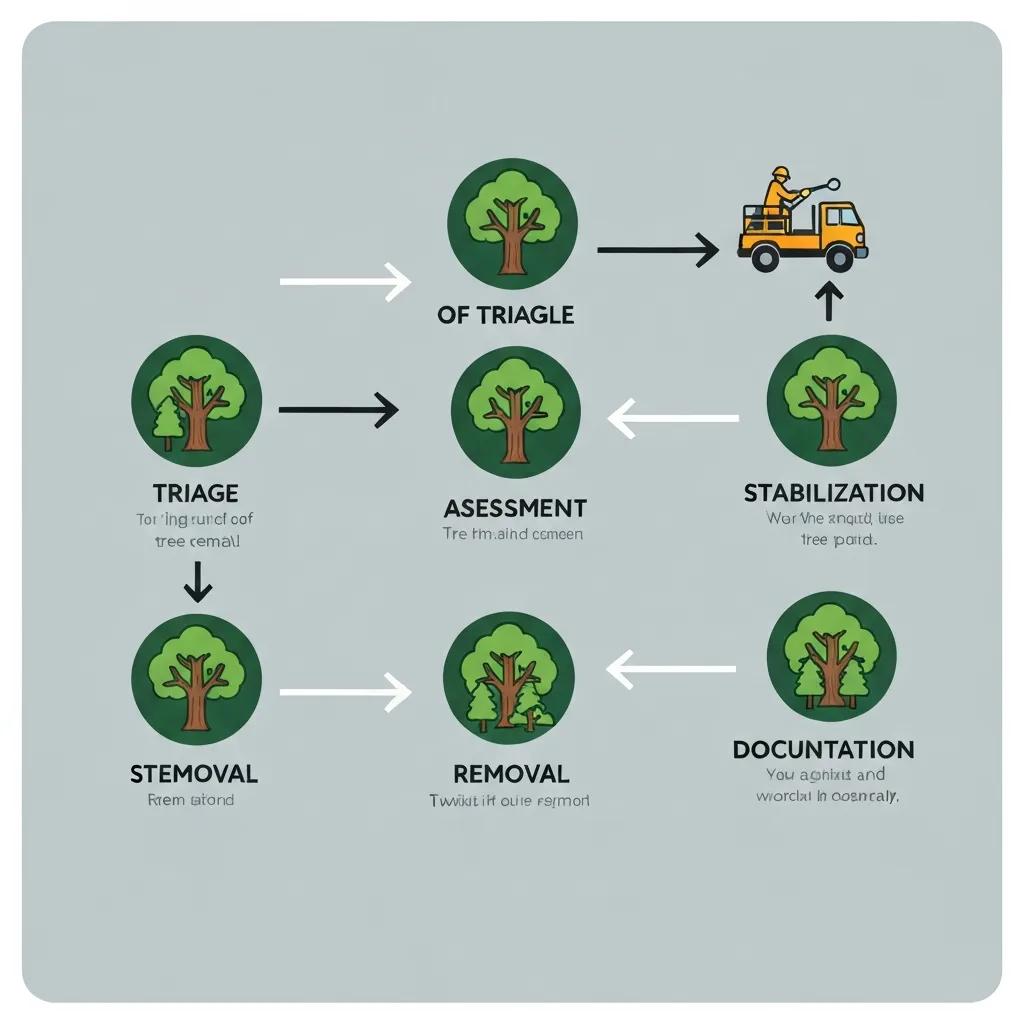
A dependable emergency workflow follows a predictable sequence: immediate triage, on-site assessment and estimate, hazard stabilization, controlled removal, and final cleanup with documentation. This sequence keeps safety central and creates the records homeowners need for insurance and future planning. The numbered list below gives a quick view of the usual emergency response flow, followed by a table that outlines expected actions and outcomes for each phase.
- Immediate triage and safety guidance to the caller, including evacuation instructions if needed.
- On-site assessment and free estimate to define the hazard, access needs, and equipment required.
- Short-term stabilization of the tree or site to prevent further collapse while preparing removal.
- Controlled removal using rigging, aerial lifts, or cranes as needed, followed by chipping and hauling debris.
- Final inspection, stump options, and documentation to support insurance and restoration work.
This checklist gives a rapid-action view of the workflow; the table below breaks the same steps into phases with likely timelines and outcomes so homeowners know what to expect.
This process table explains what to expect at each stage and the documentation that supports safety and insurance claims. The next sections describe the initial assessment and what happens during safe removal and cleanup.
How Does the Initial Assessment and Free Estimate Work?
The initial assessment checks tree condition, site hazards, access limits, and proximity to structures or utilities to decide the removal strategy and equipment needed. Crews inspect trunk integrity, root stability, wounds or decay, overhead hazards, and possible rigging anchor points while noting access for cranes or lifts. The free estimate breaks out labor, required machinery, disposal, and optional stump services so homeowners understand cost drivers and timelines. Solid documentation from the start—photos, measurements, and a written scope—also supports insurance claims and helps avoid delays when approving and mobilizing the crew.
This mini-table shows what the assessment produces and why that documentation matters. Next we describe the removal techniques and cleanup practices that protect property during execution.
What Happens During Safe Tree Removal and Storm Damage Cleanup?
After assessment, crews follow a staged removal approach that reduces loads and protects nearby structures: they rig and lower large sections, use aerial lifts for precise cuts, and deploy chippers and trucks to process debris efficiently. Throughout the work, the team enforces exclusion zones and keeps clear communication to protect bystanders. Once major pieces are down, crews chip branches, haul away logs, and can grind stumps if requested to prepare the site for replanting or landscaping. Final steps include sweeping access areas, documenting the cleared property, and giving customers an itemized invoice with photos for insurance.
How Much Does Emergency Tree Removal Cost in Fort Wayne?
Costs for emergency removal depend on several factors: tree size and species, proximity to structures or powerlines, necessary equipment, crew size, time of day, and debris disposal. Understanding these drivers helps homeowners set realistic expectations and plan for insurance coverage. Jobs can range from simple single-limb removals to complex crane operations when trees are entangled with buildings or utilities. The table below outlines common cost drivers, what affects price, and their typical impact so you can prioritize budget planning.
This table clarifies how each factor typically affects cost and helps you compare estimates. Below we explain the main cost components in plain terms and how the company supports insurance claims.
What Factors Influence Emergency Tree Removal Pricing?
The final price depends on several linked variables. Tree size and species matter—denser wood and larger diameters mean more labor and heavier equipment. Proximity to structures and powerlines raises complexity: tight work zones need precise rigging or cranes and slower, safer methods. Limited access (narrow streets, overhead obstructions) increases labor time and may require extra staging. Urgency—calls during nights or right after a storm—can add staffing and mobilization fees, and debris volume or stump grinding options affect disposal costs. Knowing these drivers helps you evaluate estimates and anticipate insurance coverage.
How Does Jason Pence Tree Service Assist with Insurance Claims?
Jason Pence Tree Service, Inc. helps with insurance claims by documenting damage with photos, supplying detailed itemized estimates and invoices, and assembling the evidence insurers typically request. The company’s free on-site estimates and clear documentation create a solid record of damage, the recommended scope of work, and costs to submit with a claim. This approach reduces back-and-forth with insurers and helps verify cause and urgency when evaluating storm-related losses. Prompt, complete documentation can shorten claim processing and get properties back to normal faster after an emergency removal.
How Can Preventative Tree Care Help Avoid Emergency Tree Removal in Fort Wayne?
Preventative care lowers how often emergencies happen and how severe they are by correcting structural problems before storms hit and by keeping trees healthy so they resist windthrow and failure. Regular pruning to remove hazardous limbs, targeted crown reduction to reduce wind resistance, root and soil inspections to spot early decline, and scheduled health checks by an arborist all reduce emergency risk. The list below summarizes practical maintenance steps homeowners and property managers can take to prevent future emergencies.
- Schedule routine inspections: Annual or post-storm checks to catch decay, root issues, or structural cracks.
- Prune for structure: Remove weak attachments and reduce crowns to improve wind resistance.
- Address root health: Avoid grade changes, soil compaction, and root injuries that destabilize trees.
- Plan targeted removals: Remove high-risk trees proactively before they fail.
These preventive steps reduce emergency frequency and often lower long-term maintenance costs. The following section explains pruning practices and scheduling guidance in more detail.
What Tree Maintenance Practices Reduce Storm Damage Risks?
Good maintenance focuses on structural pruning, removing hazardous limbs, and keeping trees vigorous so they withstand storms. Structural pruning corrects co-dominant stems and weak attachments to redirect growth and reduce leverage on the trunk, while selective crown reduction lowers wind load on tall trees. Avoid over-pruning and use proper cuts to preserve tree health. Removing decayed or compromised trees before storms eliminates high-risk hazards. Regular mulching, protecting roots from compaction, and soil aeration all support strong roots—important for resisting saturated soils and high winds.
When Should You Schedule Regular Tree Inspections with an Arborist?
Inspection frequency should match the property’s risk. Most residential properties benefit from annual check-ups. High-risk sites or mature trees near structures are best inspected every six months, and trees should be checked promptly after severe weather. Call an arborist after heavy winds, lightning strikes, or ice storms to catch early signs of failure. Inspections produce actionable recommendations—pruning, cabling, or removal—and create documentation that helps plan maintenance budgets and supports insurance readiness. Regular inspections turn prevention into lower emergency needs.
Which Areas Does Jason Pence Tree Service Cover for Emergency Tree Removal in Fort Wayne and Northeast Indiana?
Jason Pence Tree Service, Inc. serves Fort Wayne and nearby Northeast Indiana communities with emergency and storm-damage response across a local footprint designed for rapid mobilization. Primary service areas include Fort Wayne, Leo, Grabill, and Auburn, with work in adjacent neighborhoods when crew availability allows. The company provides 24/7 emergency response, free estimates, and insurance coordination to help property owners recover quickly after storms. Below is a short list of the main areas served and what residents can expect when they call for emergency help.
- Fort Wayne and city neighborhoods: rapid triage and scheduled removal according to priority.
- Leo and nearby townships: local crews stage for faster response in rural-residential zones.
- Grabill and Auburn: coverage includes storm cleanup and hazardous-tree mitigation.
- Outlying Northeast Indiana communities: service available with variable response times depending on distance.
This regional list clarifies coverage expectations and helps homeowners know whether local crews can reach them quickly. The final section explains how to contact the company and what information to have ready when you call.
What Neighborhoods and Communities Receive 24/7 Emergency Tree Services?
Service focuses on Fort Wayne and nearby towns where crews keep local staging to reduce travel time and prioritize life-safety incidents. Neighborhoods across Fort Wayne, along with Leo, Grabill, and Auburn, receive prioritized emergency service and storm cleanup; more distant communities are scheduled based on crew availability and the scope of storm events. If you live in higher-risk areas—near powerlines, on steep lots, or next to critical infrastructure—advanced coordination is recommended so crews can stage the right equipment and arrive faster. Knowing local coverage helps set realistic arrival windows and site-prep expectations.
How to Contact Jason Pence Tree Service for Immediate Emergency Assistance?
When you call for emergency help, give clear location details, describe the hazard, note any contact with power lines or structures, and tell the dispatcher if anyone is injured or trapped so they can prioritize response. Jason Pence Tree Service, Inc. can be reached at (260) 627-2332 and has a local office at 14435 Leo Rd, Leo, IN 46765. Have your address, a short description of the tree condition, and photos ready if it’s safe to take them. That information speeds triage, lets the dispatcher recommend immediate safety steps, and helps the crew arrive with the right equipment. After the call, expect a documented estimate and guidance on the paperwork insurers often require.
This guide covered how to spot emergency scenarios, choose a capable responder, understand the emergency workflow and cost drivers, take preventative actions, and contact local emergency crews in Fort Wayne and Northeast Indiana. Use the checklists, tables, and steps here to make informed, fast decisions when time is critical.
Frequently Asked Questions
What should I do immediately after a tree falls on my property?
Put safety first. Move everyone away from the fallen tree and any area that looks unstable. If the tree is touching power lines or someone is injured, call emergency services right away. Don’t try to move large pieces yourself—there can be hidden tension or other hazards. When it’s safe, take photos for insurance and call a professional tree removal service to assess and remove the hazard.
How can I prepare my property for potential tree emergencies?
Prepare by keeping trees maintained and inspected. Schedule annual checks with a certified arborist to catch structural issues early. Prune hazardous limbs, keep trees planted at safe distances from buildings and lines, and create an emergency plan with contact information for local tree services. Having a trusted contractor on call speeds response after storms.
What are the signs that a tree may need to be removed before it becomes an emergency?
Watch for visible cracks in the trunk, a marked lean, lots of dead branches, fungal growth at the base, or root heaving—these are red flags for failure. Trees close to homes or powerlines deserve extra attention. Regular professional inspections let you remove risky trees on your schedule instead of in an emergency.
How does weather impact the need for emergency tree removal?
Severe weather—high winds, heavy storms, or ice—greatly increases the chance of tree failure. Wind can uproot weak trees or snap large limbs, and ice adds weight that can break branches. After severe weather, inspect trees (from a safe distance) for damage and call a pro if you see signs of compromised structure.
What should I expect during the emergency tree removal process?
Expect a safety-first, step-by-step approach: the crew will assess and stabilize the scene, set exclusion zones, and then remove the tree in controlled sections using appropriate equipment. They’ll chip and haul debris and provide documentation and an itemized invoice for insurance. The team should keep you informed throughout the job.
Are there any legal considerations for tree removal on my property?
Yes—rules vary by location. In Fort Wayne, check local ordinances for protected species or trees near property lines. If a tree threatens neighboring property or public utilities, urgent action may be required. When unsure, consult local authorities or seek legal advice about permits and responsibilities before removing trees.
How can I find a reliable emergency tree removal service?
Look for local companies with strong reviews and 24/7 emergency response. Verify their insurance, licenses, and industry credentials. Ask neighbors for recommendations, and call several providers to compare responsiveness and estimates. A reputable company will explain safety procedures and provide clear documentation for insurance.
Emergency Tree Removal: What Homeowners Must Know
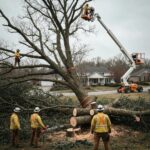
Emergency Tree Removal: What Homeowners Must Know
Emergency Tree Removal: What Fort Wayne Homeowners Need to Know About Urgent Tree Services
Emergency tree removal means removing a tree or large limb right away because it’s threatening people, homes, vehicles, power lines, or safe access. This guide helps you spot urgent tree hazards, explains the steps to take when a tree becomes dangerous, and shows how professional crews secure property after storms or sudden failures. You’ll find clear checklists for recognizing emergencies, a step‑by‑step removal workflow, common cost drivers and insurance tips, plus prevention steps to lower future risk. Throughout, Fort Wayne and Northeast Indiana homeowners will get practical, safety‑first advice and simple next steps for contacting professional help if you need it.
When Is a Tree an Emergency?
A tree becomes an emergency when it or a major limb poses an immediate threat to life, property, or vital access and can’t safely wait for routine service. Urgency comes from active instability—examples include root plate failure, a large trunk crack, or a heavy limb hanging above a structure—because those conditions raise the chance of sudden collapse. Spotting these situations quickly reduces injury risk and limits further damage, so homeowners should prioritize a prompt assessment and a professional response.
Common emergency situations:
- Fallen trees blocking driveways, roads, or emergency exits after a storm.
- Large limbs or trunks resting on roofs, vehicles, or utility lines and creating ongoing collapse risk.
- Trees that suddenly lean badly or show exposed root plates—signs of imminent failure.
- Major trunk splits, deep cracks, or lost bark that expose internal decay.
If you see any of these, stay away from the tree and call an emergency tree service for a professional evaluation. After ensuring personal safety, you may also need to alert first responders or utility providers if power lines are involved. A certified arborist can then advise the safest removal option.
Which Tree Conditions Need Immediate Removal?
Immediate removal is necessary when structural signs show a high chance of collapse within hours or days—not weeks. Examples include root plates heaving after heavy rain, deep longitudinal trunk splits that undermine load bearing, large “hung” limbs over active spaces, and fungal conks that point to advanced internal decay. Each condition has a different failure mechanism: root instability weakens the base, cracks let stress grow quickly, and decay erodes structural wood—any of which increases collapse risk and requires professional mitigation. Keep a safe distance, photograph visible damage for insurance, and call a certified arborist to determine urgency. Quick identification also tells crews whether they’ll need rigging, cranes, or traffic control to remove the hazard safely.
A clear, consistent risk evaluation helps property owners and professionals manage hazards more effectively.
Tree Risk Assessment: Protecting Property and Public Safety
Tree failures can damage property, interrupt services, or threaten public safety when targets are present. Several qualitative methods exist to assess tree risk and guide management decisions. How risk is handled depends on the method used, the value of the tree and nearby targets, and the risk tolerance of both the evaluator and the owner. This review compares common assessment approaches, summarizes research on public risk perceptions of trees, and highlights gaps for future study.
Risk assessment and risk perception of trees: A review of literature relating to arboriculture and urban forestry, RW Klein, 2019
How Does Storm Damage Affect Tree Safety?
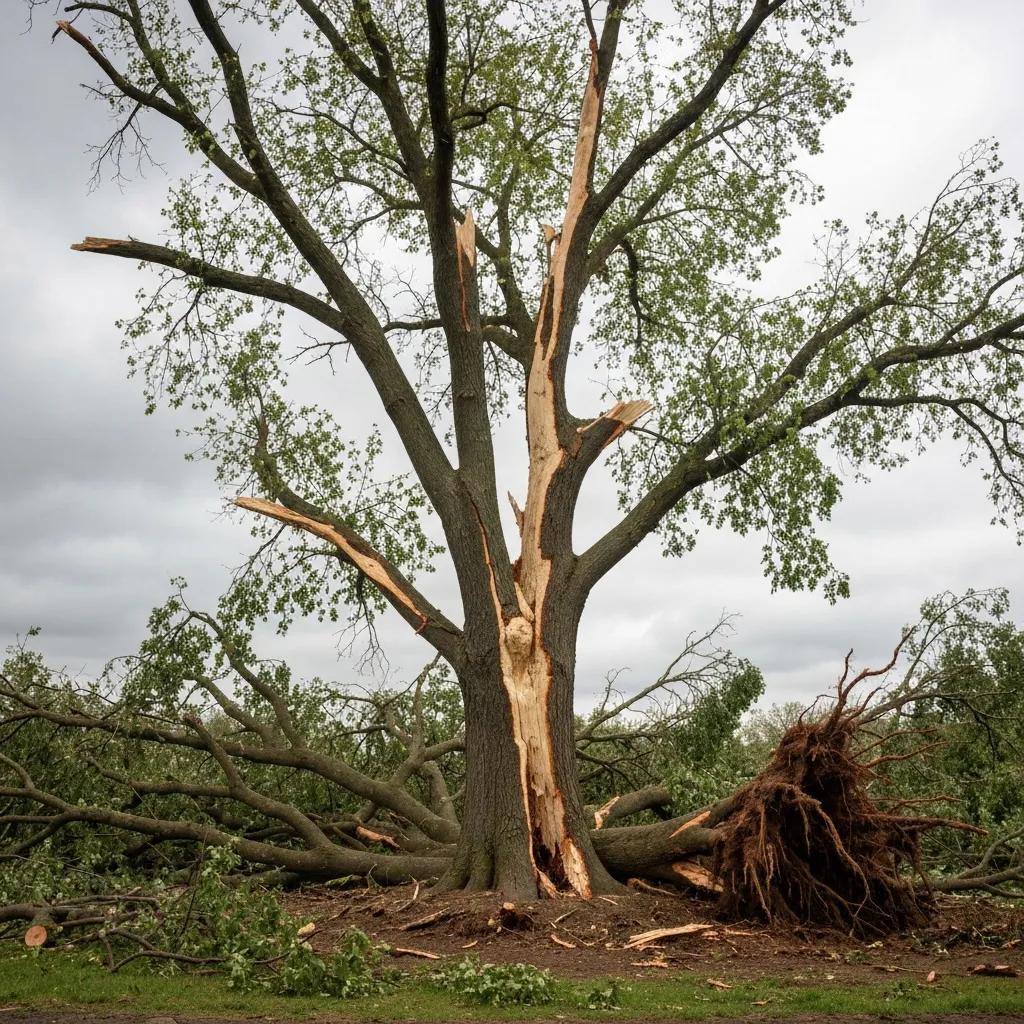
Storms create immediate hazards by combining high winds, saturated soils, ice loads, and lightning, which together can undermine a tree’s stability. Wind can shear roots or cause windthrow (uprooting), saturated ground weakens anchorage and lets trees lean or fall, ice and snow add weight that breaks limbs, and lightning can split trunks or start decay that weakens structure over time. After severe weather, treat trees with major limb loss, new leaning, or cracked cambium as potential emergencies and don’t approach them until they’ve been assessed. A prompt professional inspection will decide whether temporary bracing, partial removal, or full emergency extraction is the safest course and help prevent secondary damage to roofs or utilities.
How Jason Pence Tree Service Handles 24/7 Emergency Removal in Fort Wayne
When we respond to an emergency, we focus on quick triage, clear safety controls, and staged removal to eliminate immediate risks while protecting property and neighbors. Our process starts with a phone triage to confirm location, severity, and whether structures or utilities are involved, then we dispatch certified crews with the right gear for a fast on‑site assessment. Safety steps include establishing exclusion zones, coordinating with utilities as needed, and using rigging or staged lowers to remove sections without added damage. This systematic, safety‑first approach removes hazards quickly and documents the work for homeowners and insurers.
The table below summarizes typical response elements so you know who does what and how fast the team moves.
This framework shows how defined roles and the right equipment reduce risk and speed safe removal. Fort Wayne homeowners can expect a certified arborist to lead assessments and keep communication clear at every phase.
What Is the Step‑by‑Step Emergency Tree Removal Process?
Emergency removal follows a familiar sequence: initial call and triage, on‑site safety assessment, removal planning with permit or utility coordination if needed, controlled dismantling, then cleanup and documentation. During triage, give your location, visible damage, whether people or structures are affected, and any utility involvement—this helps prioritize response and equipment. On site, the certified arborist checks root and trunk stability, picks rigging points, and decides if aerial lifts, cranes, or bucket trucks are required, then sets exclusion zones. Controlled dismantling sections the tree and lowers pieces to avoid secondary damage; crews then chip, grind, and haul debris while documenting the work for insurance claims. For example, when a large oak split onto a roof, crews stabilized loose sections, coordinated with utilities, and used a crane to lower heavy pieces to protect the structure.
What Specialized Equipment and Safety Measures Do We Use?
Emergency removals often need aerial lifts, bucket trucks, cranes, rigging gear, chainsaws with specialty bars, and stump grinders to fully remove hazards and restore safe conditions. Aerial lifts and bucket trucks let crews work safely over structures; cranes are used when large trunks or whole trees must be removed where sectional lowering isn’t possible. Rigging hardware—3‑part pulley systems and rated slings—controls load descent to protect nearby assets. Safety standards include PPE (helmets, eye/ear protection, chaps), traffic and pedestrian control, clear exclusion zones, and working with utility providers to de‑energize lines when necessary. These tools and protocols cut incident risk and help crews finish emergency work efficiently while protecting people and property.
Typical Costs and Insurance Coverage for Emergency Tree Removal
Costs for emergency tree removal vary because pricing reflects tree size, site access, damage extent, equipment needed, and response timing—after‑hours or 24/7 calls often include emergency fees. Costs jump when cranes, specialized rigging, or utility coordination are required, and when trees are entangled with structures or vehicles that need careful sectioning. Insurance often covers removal when storm damage causes the hazard, but it depends on your policy. Document damage quickly, keep receipts, and follow your insurer’s guidance for adjuster inspections. The comparison below helps homeowners understand common job types, the main cost drivers, and how likely insurance is to cover the work.
How to read this comparison: scenarios show typical costs and insurance likelihood so you can set expectations.
Accessibility and damage type strongly influence both price and the chance of insurance coverage. Take photos with timestamps, keep notes, and get a contractor estimate to share with your adjuster.
What Drives Emergency Tree Removal Costs?
Main cost drivers include tree height and trunk diameter, proximity to structures or utilities, site accessibility for trucks and cranes, the degree of internal decay or fragmentation, and whether the call is after hours. Bigger trees need more labor and heavier equipment; tight urban yards require specialized rigging and hand‑lowering; trees on roofs or lines require structural protection and staged removal. Add‑on services like stump grinding, chipping, and haul‑away increase the final bill. Below are common cost factors to help you plan and discuss options with crews.
Common cost factors:
- Tree size and species — bigger and denser trees take more time and equipment.
- Site access for trucks, cranes, and debris removal equipment.
- Extent of storm or structural damage that requires protection measures.
- Need for utility coordination or municipal permits, which lengthen the job.
How to Work with Insurance After Storm‑Damage
Start by documenting damage thoroughly—timestamped photos and videos, notes about when the storm hit, and what you observed—then file a claim quickly and keep all receipts for emergency work. Tell your insurer whether the tree caused structural damage versus just falling in the yard (many policies only cover damage to insured structures). If possible, get a professional estimate that explains the hazard, recommended actions, and itemized costs; that helps adjusters evaluate liability and scope. Jason Pence Tree Service offers free estimates and can help document work for claims—call our number to request guidance. Clear documentation speeds claims and increases the chance your emergency work will be covered when your policy allows.
Homeowner checklist for insurance interactions:
- Photograph damage immediately and include surrounding context (structures, roads).
- File the claim and keep the claim number handy.
- Get a written estimate from a qualified tree service and keep all receipts.
- Ask your insurer whether an adjuster will visit before or after emergency mitigation.
Following these steps preserves evidence, clarifies coverage, and positions you to recover costs when your policy applies.
How to Spot Hazardous Trees Before They Become Emergencies
Finding hazardous trees early reduces the need for emergency removal by letting you schedule safer, less expensive work. Warning signs include fungal fruiting bodies (conks), trunk cracks, exposed or rotten roots, progressive crown dieback, sudden leaning, and loose or missing bark—each points to internal decay, root rot, or mechanical damage. Do routine visual checks after storms and schedule periodic arborist inspections to catch problems early. The table below links common symptoms to likely causes, risk levels, and recommended homeowner actions so you can tell maintenance issues apart from emergencies.
Use this table to turn visible symptoms into action priorities and risk assessments.
Early detection using this symptom guide helps homeowners arrange proactive care and avoid emergency situations when possible.
Common Signs a Tree Is Dangerous or Dying
Look for large dead limbs, severe crown thinning, mushrooms or conks on the trunk or roots, trunk cracks or splits, and hollows or rot that weaken structure. Fruiting bodies mean decay organisms are inside the wood, dead limbs raise the chance of falling branches, and trunk splits show compromised load paths that may fail under stress. Do simple walk‑around checks weekly or seasonally, and pay special attention after storms, heavy rain, or drought. If multiple signs appear or decline speeds up, schedule a certified arborist visit to decide whether pruning, mitigation, or removal is the safest choice.
When to Call a Professional Arborist
Call a certified arborist when trees are close enough to hit structures, when you see structural defects (cracks, root heave, conks), after a storm that changed a tree’s condition, or when a tree’s health drops quickly without an obvious cause. Certified arborists assess root stability, internal decay, disease presence, and overall structural integrity using visual checks and, when needed, tools like sounding or resistograph testing to find hidden decay. Early professional evaluation often lets you reduce hazards with pruning, cabling, or selective removal before an emergency happens. Schedule regular assessments every few years or after big storms to integrate preventive care into your property plan and lower the chance of sudden, costly emergencies.
Preventative Tree Care to Reduce Emergency Risk

Preventative care keeps trees structurally balanced, manages disease, and protects root zones so trees are better able to withstand storms and stress. Core practices include regular pruning to remove deadwood and balance weight, periodic health checks by certified arborists, proper watering and mulching to support roots, and planting species suited to local soil and wind conditions. These measures reduce wind sail, remove decay‑prone limbs, and strengthen root systems. A planned maintenance schedule spreads costs and prevents sudden emergency removals that are more expensive and riskier.
Practical preventative actions homeowners can take:
- Schedule pruning every 3–5 years for mature trees, or follow your arborist’s recommendation.
- Protect root zones with mulch, avoid soil compaction, and don’t trench near roots when possible.
- Remove dead or diseased branches promptly to prevent progressive decay and sudden failures.
- Plant species suitable for your site and keep large trees a safe distance from structures and utilities.
How Regular Trimming and Pruning Cut Tree Hazards
Routine trimming and pruning correct structural defects, reduce crown weight, and remove deadwood—actions that lower the chance of branch or trunk failure during storms. Proper pruning balances lateral branches, cuts wind sail, and removes weak unions that tend to split. Timing and technique matter: pruning in dormant seasons often reduces stress, and early structural pruning guides healthy form without removing excessive live tissue. Hire qualified crews to ensure cuts meet industry standards and avoid creating decay entry points that cause long‑term problems.
Long‑Term Tree Health Strategies for Homeowners
Long‑term care focuses on protecting the root zone, choosing and siting new trees correctly, ongoing pest and disease monitoring, and regular certified arborist checks to catch decline early. Soil amendments, targeted irrigation during drought, and deep‑root fertilization when appropriate support root health and anchorage. If a tree has chronic structural or health issues, compare long‑term care costs against removal and replacement to decide the most sustainable option. A proactive maintenance plan combined with periodic professional assessments extends tree life while lowering emergency risk and protecting property value.
Why Choose Jason Pence Tree Service for Emergency Removal in Northeast Indiana?
Jason Pence Tree Service, Corp is a local emergency provider combining certified arborist assessments, specialized equipment, and 24/7 availability to respond to urgent tree hazards in Fort Wayne and nearby communities. We prioritize rapid deployment, fully licensed and insured operations, and environmentally conscious cleanup—like grinding stumps into mulch for reuse. Homeowners get clear, documented estimates and a safety‑first approach that coordinates with utilities and insurers when storm damage affects structures or lines.
Why homeowners trust us for emergency tree work:
- 24/7 emergency response for urgent situations.
- Specialized equipment, including aerial lifts and cranes for complex removals.
- Licensed, insured crews with certified arborist assessments and written estimates.
- Environmentally conscious practices, such as grinding stumps into usable mulch.
Our Experience and Certifications
Founded by Jason Pence and led by local crews, we have experience in emergency and storm‑damage cleanup, heavy equipment operations, and certified‑arborist oversight to keep work safe and code‑compliant. While specific staff certifications aren’t listed here, homeowners should expect qualified assessments and safe removal methods. Our certified arborists evaluate structural integrity and recommend mitigation, while trained crews carry out complex removals using industry‑standard rigging and safety protocols to minimize secondary damage to structures and landscapes.
How Our Customer‑Focused, Eco‑Friendly Practices Help You
We focus on clear benefits: free estimates to reduce uncertainty, transparent pricing to aid claims, and thorough cleanup to restore your property quickly. Environmentally friendly measures—like converting removed wood to mulch—turn waste into a landscape asset and cut landfill waste. Together, these practices speed recovery, simplify insurer interactions, and minimize long‑term landscape disruption after an emergency.
End of article.
Frequently Asked Questions
What should I do if I suspect a tree is hazardous?
If you think a tree is dangerous, do a quick visual check from a safe distance for cracks, leaning, or decay—then stay away. If you see worrying signs, call a certified arborist for a professional assessment. They’ll recommend whether monitoring, pruning, or removal is best. Early action helps prevent emergencies and keeps your family and property safe.
How can I prepare for potential tree emergencies?
Preparation starts with regular inspections and basic maintenance. Learn common hazard signs—dead branches, fungal growth, or strong leaning—and keep access clear for emergency crews. Save contact info for local tree services and know your insurance basics for storm damage. Having a plan and trusted pros on speed dial helps you act fast when an emergency occurs.
What are the risks of attempting DIY tree removal?
DIY removal can be dangerous. Without proper training and equipment, you may misjudge a tree’s stability or fall direction, causing injury or property damage. Heavy tools like chainsaws and rigging require experience. For safety and liability reasons, leave complex or emergency removals to licensed professionals who follow strict safety protocols.
How can I tell if a tree is worth saving or should be removed?
Deciding whether to save or remove a tree depends on its health and structure. Extensive decay, major leaning, or large cracks often mean removal is safest. If damage is minor and the tree is otherwise healthy, pruning or treatment may preserve it. A certified arborist can assess recovery potential and recommend the right path for safety and long‑term value.
What are the environmental impacts of tree removal?
Removing a tree affects wildlife habitat, soil stability, and local microclimates. Trees sequester carbon, improve air quality, and manage water. To reduce impacts, consider replanting native species and follow best practices for disposal—like turning wood into mulch. Working with local arborists helps ensure responsible, ecosystem‑aware tree management.
What should I expect during an emergency tree removal?
Expect a safety‑first, methodical approach. Crews will assess the scene, set exclusion zones, and coordinate with utilities if needed. They’ll remove the hazard using specialized equipment to limit further damage, then clean up and document the job for insurance. Clear communication from the crew will keep you informed throughout the process.
How can I keep my trees healthy and reduce emergency risk?
Keep a regular maintenance schedule: pruning, periodic health checks, and proper watering. Watch for disease or structural issues and consult a certified arborist for evaluations. Plant species suited to your site and place new trees away from structures. Proactive care extends tree life and lowers the chance of costly emergencies.
The Trusted & Proven Tree Care Services For You
Professional Tree Care Services by Jason Pence in Fort Wayne Indiana: What Real Tree Removal, Trimming, and Stump Grinding Looks Like
The tree care service we offer makes us the first tree service Fort Wayne trusts. If you’ve owned property for any length of time, you already know this—trees are either an asset or a liability. There’s not much middle ground. Proper tree care protects your house, keeps people safe, and helps your property actually look like something you’re proud of. Ignore it, and sooner or later it costs you.
At Jason Pence Tree Service in Fort Wayne, Indiana, we handle tree removal, trimming, stump grinding, and the rest of it. What follows is a straightforward breakdown of how this work is actually done and why it matters.
There’s also real data behind this. When trees are maintained properly, they add value. When they’re ignored, they create risk—and that risk turns into real dollars.
The Financial Impact of Professional Tree Care & Neglect
This paper presents the results of a literature review on the “Costs of Not Maintaining Trees” commissioned by the ISA Science and Research Committee. The authors summarized the literature from within the field of arboriculture/urban forestry to answer the questions: What are the costs of maintaining trees and the urban forest? And, What are the costs of not maintaining trees? Present here is a detailed summary of the literature on the costs of maintenance and lack of maintenance for types of tree care commonly included in municipal budgets (planting, pruning, removal, pest and disease management) and a brief review of costs associated with less-studied types of tree care (including tree risk management; watering; mulching; fertilizing and nutrient management; staking, cabling
The costs of maintaining and not maintaining the urban forest: A review of the urban forestry and arboriculture literature, J Vogt, 2015
Tree Care Services Tree Removal Service
Tree removal isn’t something you do for fun—it’s something you do when a tree becomes a problem. Dead trees, diseased trees, or anything structurally compromised will eventually fail. The only question is when and where it lands.
We evaluate the situation, plan the removal, and use the right equipment so it comes down where we want it—not where gravity decides.
What Tree Removal Services Does Jason Pence Offer in Fort Wayne?
Every job is a little different, but most removals fall into a few categories:
- Hazardous Tree Removal: Trees that are leaning, splitting, or threatening structures.
- Dead Tree Removal: Standing dead trees that will eventually come down—usually at the worst possible time.
- Diseased Tree Removal: Trees that are beyond saving and starting to affect surrounding trees.
The sooner you deal with these, the fewer surprises you’ll have later.
How Does Professional Tree Care Removal Enhance Property Safety?
This is where experience matters. Anyone can cut a tree. Doing it without damaging a house, fence, or power line—that’s the difference.
We use controlled rigging, proper cuts, and a plan. That’s what keeps a routine job from turning into an insurance claim.
What Are Tree Care Services Safety Protocols Followed During Tree Removal?
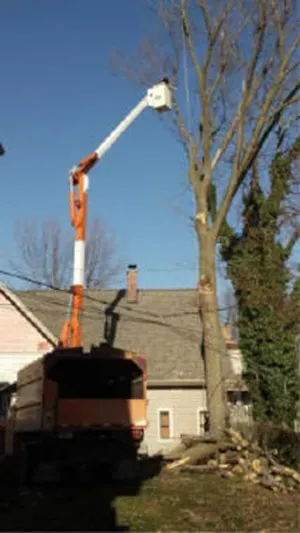
Tree work has real risk. That’s not theory—that’s documented across years of incidents.
- Site Assessment: Before we start, we look at everything—structures, utilities, lean, weight distribution.
- Protective Gear: Helmets, eye protection, chainsaw protection—non-negotiable.
- Controlled Techniques: We don’t “hope” a tree falls right. We control it.
When this is done right, the job looks easy. That’s the goal.
Understanding Arboricultural Safety Risks & Professional Tree Work
The objective of this study was to identify and quantify the hazards present during arboricultural operations. The Occupational Safety and Health Administration Fatality and Catastrophe incident database and other Bureau of Labor Statistic sources were analyzed for arboricultural operation incidents within the 17-year period from 2001 through 2017. There were 865 fatal and 441 nonfatal incidents reviewed from this period. The leading four fatal incidents, from the largest to the smallest number of fatalities, were climber falls, workers struck by a falling tree, workers making indirect contact with an electric current, and workers struck by a falling branch.
A review of United States arboricultural operation fatal and nonfatal incidents (2001–2017):
Implications for safety training, J Ball, 2001
Tree Care Services Trimming Service
Tree trimming is where most people either save money—or create future problems. Done right, it strengthens the tree. Done wrong, it weakens it and speeds up decline.
Which Tree Care Services Tree Trimming Services Are Available Near Me in Fort Wayne?
We don’t just “cut branches.” There’s a reason behind each type of cut:
- Crown Thinning: Opens the canopy so wind can pass through and reduces stress.
- Crown Raising: Gets branches out of the way of driveways, sidewalks, and trucks.
- Crown Reduction: Brings oversized trees back under control without destroying their structure.
Good trimming makes a tree look natural—not hacked up.
How Does Tree Trimming Improve Tree Health and Aesthetics?
Dead wood comes out. Weak structure gets corrected. Growth gets directed where it should go.
It also makes a property look better—and that translates into real value.
How Tree Health & Aesthetics Boost Property Value
A model was developed to predict the value contribution of forest condition on small urban-wildland interface properties. A variant of the stand density index (SDI) and a tree health measure were added to a list of traditional property characteristics to express the influence of tree care on property value. These aesthetic characteristics were statistically significant despite the expected dominant influence of the traditional characteristics. Values for the forest density and health characteristics were estimated and reveal a contribution to property value between 5% and 20%.
Valuation of tree aesthetics on small urban-interface properties, 1999
When Is the Best Time for Seasonal Tree Care Services Pruning in Fort Wayne?
Late winter to early spring is usually the sweet spot. Trees are still dormant, and they respond better once growth starts.
That said, timing can vary depending on the species. That’s where experience comes in.
Tree Care Services Stump Grinding and Removal
Once a tree is gone, the stump is what’s left—and it’s usually right in the way.
How Is Stump Grinding Performed by Jason Pence Tree Service in Fort Wayne?
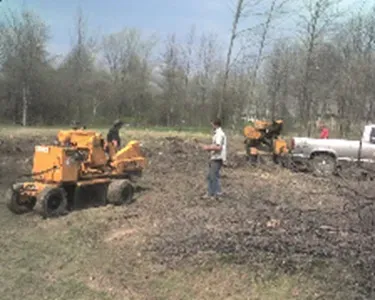
We grind the stump down below grade, turn it into mulch, and leave the area usable again.
What Equipment Is Used for Efficient Stump Removal?
- Stump Grinders: Built specifically for this—fast and efficient.
- Chainsaws: Used to cut it down close to grade first.
- Excavators: For full removal when needed.
Using the right equipment keeps the job clean and avoids tearing up the yard.
How Does Stump Grinding Prevent Pest Infestation and Property Damage?
Old stumps attract insects. Those insects don’t stay put—they move to other trees, and sometimes structures.
Grinding it out removes that problem before it starts.
Tree Care Services Storm Damage Cleanup
Storm work is where things get urgent. Trees don’t fail on a schedule—they fail during wind, ice, and heavy rain.
What Emergency Tree Removal Services Are Provided in Northeast Indiana?
- 24/7 Availability: When something falls, you don’t wait until Monday.
- Debris Cleanup: Getting things cleared so you can actually use your property again.
- Damage Assessment: Figuring out what’s salvageable and what isn’t.
Speed matters here—but so does control.
How Does Jason Pence Handle Storm-Damaged Tree Removal Safely?
- Risk Assessment: Storm-damaged trees are unpredictable—we treat them that way.
- Controlled Techniques: Same approach as normal removal, just with more variables.
- Post-Removal Cleanup: Leave it safe and usable, not half-finished.
The goal is simple—get things back to normal without creating new problems.
Tree Care Services Tree Diagnosis
Not every tree needs to come down. A lot of times, it just needs the right fix.
How Does Tree Diagnosis Work?
- Visual Inspection: Looking for disease, stress, structural issues.
- Soil Testing: Sometimes the problem starts below ground.
- Treatment Recommendations: Fix what can be fixed. Remove what can’t.
This is where you save trees—and avoid unnecessary removals.
Tree Care Services Land Clearing
Land clearing is about starting with a clean slate.
What Types of Land Clearing Services Are Available?
- Residential Land Clearing: Getting a lot ready for a house.
- Commercial Land Clearing: Preparing for development.
- Site Preparation: Making sure nothing gets in the way later.
Done right, it saves time and money on the back end.
Frequently Asked Questions About Tree Care Services
What qualifications should I look for in a tree care professional?
Experience, insurance, and a track record of doing the work right. Certifications like ISA help—but results matter more.
How often should I have my trees inspected?
Once a year is a good baseline. More often if something looks off.
What are the signs that a tree needs to be removed?
Dead branches, decay, lean, root issues, or disease that’s too far gone.
Can tree trimming be done at any time of the year?
Sometimes—but late winter is usually best.
What should I do after a tree is removed?
Grind the stump, clean it up, and decide what you want there next.
How can I maintain the health of my trees?
Water when needed, mulch properly, trim correctly, and keep an eye out for problems early.
Tree Service Tree Service Fort Wayne: What Proven Tree Work Really Looks Like (And Why It Matters)
Jason Pence Tree Service Fort Wayne: What Real Tree Work Looks Like (And Why It Matters)

At Jason Pence Tree Service tree service work is all that we do. If you’ve lived in Fort Wayne long enough, you already know trees don’t stay “low maintenance” forever. One storm, one dead limb, or one overlooked trunk, and now you’ve got a real problem on your hands. We are the tree service Fort Wayne turns to first.
we’ve been doing this since 1992. This isn’t theory—it’s years of real jobs, real properties, and real situations. This post breaks down how professional tree service tree service actually works, and what separates a controlled job from a risky one.
Tree Service Tree Service Basics: More Than Just Cutting Trees
Most people think tree service is just cutting something down and hauling it away. That’s maybe 20% of the job.
The rest is planning, safety, and execution.
- Tree Removal – Taking down dead, hazardous, or poorly located trees safely
- Tree Trimming & Pruning – Improving structure, safety, and long-term health
- Stump Grinding – Removing what’s left so it doesn’t become a problem later
- Emergency Work – Storm damage, split trunks, and immediate hazards
Real tree service tree service work is about control—not speed.
Tree Service Tree Service Process: How We Remove Trees Without Damage

Every job starts with a full assessment. We’re looking at lean, weight distribution, decay, obstacles, and where the tree can safely go.
If there’s room, we drop it. If not, we take it down in sections using rigging.
That’s where experience matters.
- Controlled rigging systems
- Sectional dismantling
- Precision cutting techniques
This is how tree service tree service gets done without damaging your house, driveway, or landscaping.
Jason Pence Tree Service Tree Service Reality: Cutting Is Easy—Control Is Not
Anybody can run a chainsaw. That’s not the skill.
The skill is controlling thousands of pounds of wood when it starts moving.
If a tree is over a house, fence, or power line, rigging isn’t optional—it’s the job.
Jason Pence Tree Service Advantage: Why Local Experience Wins
Tree work isn’t the same everywhere. Fort Wayne has its own mix of soil, weather, and tree species.
Working locally means:
- Understanding storm damage patterns in Northeast Indiana
- Knowing which species become hazardous and when
- Timing pruning correctly for local conditions
That’s the difference between guessing and real tree service tree service experience.
Tree Service Tree Service and Property Value: Trimming Done Right
Neglected trees don’t just look rough—they become a liability.
Proper trimming:
- Removes weak or dead limbs before storms do it for you
- Improves sunlight and airflow
- Keeps trees structurally sound
Done right, trimming extends the life of your trees. Done wrong, it shortens it.
Tree Service Timing: When to Prune in Fort Wayne
Late winter to early spring is usually ideal.
- Trees are dormant
- Structure is easier to see
- Less stress on the tree
This isn’t theory—it’s what consistently works in this area.
Tree Service Tree Service Stump Grinding: Finish the Job Properly

Dropping a tree and leaving the stump is like fixing half the problem.
We grind stumps below grade so you can:
- Reclaim usable yard space
- Eliminate trip hazards
- Prevent insect infestations
Complete tree service tree service means the job is actually finished.
Tree Service Equipment: Using the Right Tools Matters
Different jobs require different machines.
Tight access? Smaller equipment.
Large hardwood stump? Heavy-duty grinder.
Using the wrong setup is how yards get torn up. We don’t operate that way. Jason Pence Tree Service runs modern equipment.
Jason Pennce Tree Service Tree Service Emergency Work: When Things Go Sideways
Storm damage changes everything fast.
Now you’re dealing with:
- Trees on structures
- Split trunks
- Hanging limbs
This is where tree service tree service becomes urgent, not optional.
Tree Service Safety: What Happens Behind the Scenes
Every job involves:
- Protective equipment
- Planned cutting sequences
- Team coordination
The difference between a clean job and a disaster usually comes down to preparation.
Tree Service Tree Service Fort Wayne: When to Call a Professional
Simple rule:
If there’s height, weight, or risk involved—don’t guess.
Basic yard work is one thing. Tree removal and heavy trimming are another.
That’s where tree service tree service experience pays for itself.
Tree Service Done Right Since 1992
There’s a right way and a wrong way to do tree work.
We’ve been doing it the right way for a long time—safe, controlled, and cleaned up when we’re done.
If you need help with tree removal, trimming, stump grinding, or emergency work in Fort Wayne, give us a call.
Jason Pence Tree Service
Fort Wayne, Indiana
(260) 627-2332
Get Emergency Tree Removal Services in Fort Wayne: What You Need to Know
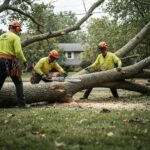
Emergency Tree Removal Services in Fort Wayne Explained
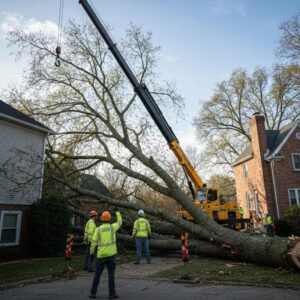
Emergency tree removal involves rapid evaluation, hazard control, and safe removal of trees or heavy limbs that pose an immediate threat to people, buildings, utilities, or access routes. This expanded guide explains how an emergency tree removal service in Fort Wayne responds to hazardous situations, the steps involved in storm cleanup, what influences cost, how insurance typically applies, and what homeowners should do before crews arrive. You’ll learn the most common emergency scenarios, the safety protocols professionals follow, and what documentation insurers expect after tree-related damage. Everything here is written specifically for homeowners and property managers in Fort Wayne and surrounding Northeast Indiana communities.
When to Call an Emergency Tree Removal Service in Fort Wayne
You should contact an emergency tree removal crew any time a tree or major limb threatens life, structural integrity, or essential access. The goal of urgent service is to stabilize hazards quickly and prevent further damage. Fast action also protects your property from secondary failures caused by shifting loads, root movement, or hidden structural cracks.
Use this checklist to determine if your situation requires immediate assistance:
- A fallen tree is resting on the roof, garage, porch, or another structure.
- A heavy limb is suspended over an entryway, driveway, or heavily used walkway.
- A tree is suddenly leaning toward a house or power line after a storm.
- Access is blocked by a tree or limb, preventing safe entry or exit.
- Branches or trunks are touching or pulling down energized lines.
If any of these apply, clear the area, keep people away, and prepare basic information for the crew such as structure involvement, nearby utilities, and access limitations.
Common Emergency Tree Situations For Tree Removal Service In Fort Wayne
Most urgent calls follow severe weather, structural tree failure, root instability, or unexpected limb drop. A tree resting on a roof can shift under its own weight. Leaning trees carry a high failure risk, especially after soil saturation or wind exposure. Downed trees blocking driveways limit emergency access, which can turn a minor event into a serious safety issue. Photographing the scene from a safe distance helps crews plan the right approach.
How Urgent Tree Service Protects People and Property
Professional emergency crews begin with a hazard assessment and then create exclusion zones, secure drop paths, and coordinate with utilities when wires are involved. They stabilize compromised trees with rigging or mechanical support and use bucket trucks or cranes when necessary. These precautions protect roofs, siding, windows, and landscaping while preventing uncontrolled movement during removal. The aim is always to safeguard the site first, then remove the hazard with controlled precision.
How Storm-Damage Emergency Tree Removal in Fort Wayne
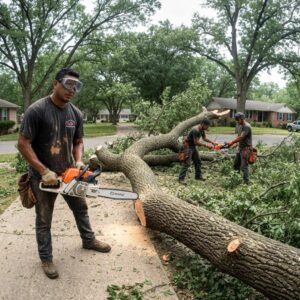
Storm-damage removal follows a structured workflow. Crews assess threats, coordinate with utilities if needed, stabilize compromised trees, and use controlled removal procedures. After the main hazard is eliminated, they chip debris, haul material away, and restore safe access. Understanding these stages helps homeowners plan for timing, equipment needs, and insurance documentation.
Response speed varies by storm severity, equipment availability, and site conditions. Crews can often mobilize quickly, but widespread weather events create delays of 24–72 hours depending on hazard level and demand.
Hazardous vs. Fallen Tree Removal Service in Fort Wayne
Hazardous tree removal focuses on trees likely to fail due to structural defects, disease, or root instability. Fallen tree removal deals with trunks or limbs already on the ground, blocking access or damaging structures. Professionals inspect structural warning signs such as trunk cracks, decay, root-plate movement, cavities, and sudden lean angles to determine whether a tree requires immediate intervention.
How Arborists Identify Hazardous Trees
Arborists examine trees from multiple angles, looking for decay, instability, root disruption, and rapid changes after storms. Photos and notes from homeowners help crews and insurance providers document conditions accurately. Early identification often prevents full emergency situations.
Safety Protocols and Equipment For Emergency Tree Removal Service in Fort Wayne
A safe emergency tree removal service in Fort Wayne uses industry-standard safety procedures including exclusion zones, controlled rigging, bucket trucks, cranes, and PPE for all crew members. Specialized gear increases safety and efficiency by preventing uncontrolled movement.
Costs & Insurance for Emergency Tree Removal Service In Fort Wayne
Costs depend on tree size, hazard complexity, equipment needs, access limitations, and urgency. Insurance usually covers emergency tree removal caused by sudden events like storms, but not damage linked to long-term neglect. Clear documentation, photos, and itemized estimates help claims move faster.
Navigating Insurance
Provide time-stamped photos, emergency receipts, and a written estimate for your insurer. Many policies cover removal when trees fall on insured structures due to covered perils. A contractor familiar with claims helps streamline documentation and reduces back-and-forth with the carrier.
Why Choose Jason Pence Tree Service for Emergency Tree Removal
Jason Pence Tree Service combines 24/7 availability, heavy-equipment readiness, and more than three decades of local experience. The company is staffed, insured, and equipped for complex jobs requiring bucket trucks, cranes, and controlled rigging. Their emergency tree removal service in Fort Wayne focuses on fast hazard mitigation, safe removal, and complete cleanup so homeowners can begin repairs sooner.
What Sets the Service Apart
Crews are trained for urgent situations involving structures, vehicles, and utilities. Local knowledge of soil conditions, tree species, and storm patterns improves hazard assessment and removal planning. The team operates with clear communication, reliable scheduling, and well-defined safety procedures.
Safety, Efficiency & Cleanup
Every emergency job begins with a structured site assessment. Crews establish safe working zones, coordinate with utilities when needed, and select equipment that minimizes risk. Cleanup and stump removal are included, leaving your property safe for restoration work.
Service Area — Fort Wayne & Surrounding Communities
The company serves Fort Wayne, Leo, Grabill, Auburn, and nearby Northeast Indiana communities. Proximity allows for faster arrival times, especially when multiple emergencies are active after a storm.
Available 24/7 Emergency Tree Services
Services include emergency tree removal, hazardous-tree mitigation, storm cleanup, stump removal, debris chipping, and full-site clearing. Both rural and urban properties receive tailored service based on layout, access, and hazard type.
How to Request Emergency Tree Removal Service In Fort Wayne or a Free Estimate
For urgent calls, provide the address, hazard description, and clear photos taken from a safe distance. For non-critical needs, request a free estimate outlining the recommended work, equipment requirements, and disposal options.
Frequently Asked Questions About Emergency Tree Removal Service In Fort Wayne
What should I do if a tree is leaning dangerously?
Keep people away, photograph the lean, and contact a professional immediately.
How do I assess tree health?
Look for cracks, decay, cavities, fungus, and root disturbance. Schedule periodic professional inspections.
What causes most tree emergencies?
Windstorms, saturated soil, disease, and aging trees.
What happens during emergency removal?
Crews assess hazards, stabilize the area, remove the tree or limbs, and clean up debris.
Will insurance cover the cost?
Coverage often applies when a tree falls due to a covered peril. Documentation is essential.
Emergency Tree Removal — Fast, Safe, and Experienced Help When You Need It Now

Emergency Tree Removal — Fast, Safe, and Experienced Help When You Need It Most
When a storm hits and a tree comes down, everything feels urgent. The damage feels personal, the situation feels chaotic, and people want someone who can step in, take control, and fix what’s wrong without making things worse. If you are looking for emergency tree removal, call the best tree service Fort Wayne has to offer: Jason Pence Tree and Stump Service is the team people across Fort Wayne and northeast Indiana have trusted since 1992. We’ve seen every kind of storm this region can throw at us, and we’ve handled the most challenging tree removals you can imagine. Broken limbs across roofs, trees split in half and hanging dangerously, uprooted trunks leaning into homes, branches blocking driveways—you name it, we’ve dealt with it.
The first thing people learn when they call us is this: we move fast, and we know what we’re doing. Emergency tree situations aren’t regular jobs. They’re not “come out next week and trim this limb back.” They’re tense moments where someone needs help right now because something big, heavy, and unstable is sitting on the one thing that matters most—their home. And when that happens, skill matters. Experience matters. The right equipment matters. That’s why people call us.
Decades of Storm Experience with Emergency Tree Removal and Specialized Skills
Over the years, we’ve completed thousands of storm-related jobs. We’ve pulled trees off houses without causing additional structural damage. We’ve lifted massive trunks off garages, fences, sheds, and vehicles without creating new problems for homeowners. We’ve taken down dangerous hangers—those half-broken limbs dangling high overhead that could fall at any moment—using techniques that keep everyone safe. And when someone’s roof gets torn open from a limb punching straight through it, we can even seal up the damaged area so your home is protected until a roofer takes over. We know how stressful these situations feel, and the last thing we want is for rain or debris to make the damage worse.
A big part of emergency tree removal is understanding the pressure homeowners face. Storm damage interrupts life instantly. People have kids to care for, work to get to, and responsibilities they can’t put on hold. So when a tree lies across a driveway or blocks a front door, the entire family feels stuck. When a limb crashes onto the roof in the middle of the night, people lie awake, wondering if the structure will hold. That’s why we offer 24/7 service. If it’s an emergency, we come out as quickly as possible, day or night, because waiting until tomorrow isn’t always an option.
Safety, Judgment, and the Right Equipment
One thing we’ve learned over more than thirty years is that emergency tree removal takes more than a chainsaw and a truck. It takes judgment. You have to read the tree, understand the pressure points, see how the weight is distributed, and know where to cut and where not to cut. You have to understand how a trunk will roll when it hits the ground. You need to know how to tie off limbs so they lower in a controlled descent instead of swinging or dropping unpredictably. You have to think through the entire process step by step before making the first cut.
This level of experience protects property and prevents accidents. We’ve cleaned up plenty of “DIY attempts” where someone tried to remove a limb themselves and ended up making the problem worse—or getting hurt. Storm damage isn’t the place to take chances. Wet wood, twisted trunks, compromised bark, hidden splits, and heavy limbs overhead create situations where a wrong cut can send several hundred pounds of wood in the wrong direction. We treat every emergency with respect because safety isn’t negotiable in this business.
Working With Homeowners and Insurance Companies
People also appreciate that we know how to communicate clearly during stressful moments. When we show up, we walk through the situation with you, explain what needs to be done, and outline the safest, most efficient way to get the job finished. If you’re working with your insurance company, we can help there, too. Many homeowners aren’t sure what’s covered or how to document the damage. We work with insurance adjusters all the time, and we’re happy to photograph the damage, explain the situation, and help streamline the process so you aren’t left guessing what to do next.
Emergency tree removal also involves cleanup. No one wants to walk outside and see a clean roof but a yard full of debris. We haul away limbs, branches, logs, and brush so you don’t have to deal with the mess. If you want the wood left on-site for firewood, that’s fine too. Our goal is to leave your property safe, usable, and restored as much as possible after the storm.
Why People Trust Jason Pence Tree and Stump Service
 What people value most, though, is consistency. We’ve been here since 1992. We didn’t show up last year, and we’re not going anywhere. Through ice storms, windstorms, tornado-strength gusts, and unpredictable Midwest weather, we’ve been the crew people call when things go wrong. Families trust us. Insurance companies trust us. Local businesses trust us. And we work hard to earn that trust on every single emergency job we take.
If you’re dealing with a fallen tree, a dangerous limb hanging overhead, or storm damage that can’t wait, Jason Pence Tree and Stump Service is ready to help. We show up fast, we handle the challenging work safely, and we treat your home like it matters—because it does. Emergency tree removal is stressful, but with the right team, the situation becomes manageable, clear, and under control.
Emergency Tree Removal Services
| Service | What It Includes | When It’s Needed |
|---|---|---|
| Emergency Tree Removal | Safe removal of fallen or unstable trees using bucket trucks, cranes, and rigging. | Tree on a roof, blocking a driveway, across power lines, or threatening to fall. |
| Roof Limb Removal | Careful lifting and cutting of branches from roofs, followed by basic temporary sealing. | After storms, when limbs punch through shingles or rest heavily on the structure. |
| Storm Damage Cleanup | Clearing limbs, logs, and debris from yards, driveways, and structures. | After high winds, ice storms, or heavy rain, trees and branches can break. |
| Hazard Assessment | On-site inspection of cracked, leaning, or split trees to prevent future failures. | When you notice new cracks, leaning trunks, or large dead limbs over your home. |
| Insurance Coordination | Photos, written notes, and communication to help with your claim. | Whenever you plan to use your homeowner’s insurance for storm damage. |
Emergency Tree Removal FAQs
How do I know if I need emergency tree removal?
You need emergency service if a tree or large limb is on your house, blocking access, resting on utility lines, or leaning in a way that could fail at any moment. If you feel unsafe being in or near the area, treat it as an emergency and call right away.
Do you offer 24/7 emergency tree service?
Yes. Jason Pence Tree & Stump Service offers 24/7 emergency response for storm damage and hazardous trees. We will come out as quickly as possible to secure the site and begin safe removal work.
Will you work with my homeowner’s insurance company?
We frequently work with insurance adjusters and are glad to help. We can provide photos, basic descriptions of the damage, and invoices that clearly separate emergency tree work from optional additional services, which can make the claims process more manageable.
Can you protect my roof after removing a tree or limb?
In many cases, we can apply temporary protection, such as tarps or basic patching, to help keep water out until a roofing contractor can perform permanent repairs. The goal is to minimize further damage once the tree or limb is removed.
Is it safe for me to try removing a storm-damaged tree myself?
Usually not. Storm-damaged trees can be under extreme tension, and a single wrong cut can cause a trunk or limb to roll, drop, or spring in an unexpected direction. For any tree over a small size or near structures, vehicles, or power lines, it is much safer to call a professional crew with the right equipment.
How fast can you get here after I call?
Response time depends on weather, road conditions, and how many emergencies are active, but we always prioritize safety and urgency. When you call, we will give you an honest estimate and keep you updated if conditions change.
When you need experience, steady hands, and reliable service after a storm, we’re the call (260) 627-2332 you want to make. We’re here 24/7, and we will be there as quickly as we can.
Tree Removal Fort Wayne: The Best Proven Results for You

When it comes to tree removal Fort Wayne homeowners understand that selecting the correct tree service is vital for keeping their property safe and attractive. Trees do more than beautify your yard—they provide shade, improve air quality, and increase your home’s value. However, many homeowners are unsure when to hire professionals for tree removal Fort Wayne, which can lead to costly mistakes or safety risks. This guide will help you navigate the process of choosing the best tree service in Fort Wayne, ensuring your trees are well-maintained and your property stays in top shape.
Start by identifying the specific services you need from a tree removal Fort Wayne company. Beyond simply cutting down trees, many offer stump grinding, pruning, or emergency storm damage cleanup. Knowing whether you need a hazardous tree removed or routine maintenance will help you find a provider that aligns with your goals. Look for companies offering tailored solutions to meet the unique needs of your property.
Experience is a critical factor when choosing a tree removal Fort Wayne service. Companies with extensive expertise are better equipped to handle challenging tasks, such as removing large trees near homes or power lines, without causing damage. Verify that the company employs certified arborists, such as those accredited by the International Society of Arboriculture (ISA), to ensure adherence to industry standards. Additionally, confirm that the tree removal Fort Wayne provider is fully insured to protect you from potential liabilities during the job.
Cost is another important consideration. While it’s tempting to opt for the lowest price, extremely cheap quotes may indicate inexperience or subpar work. Request detailed estimates from several tree removal Fort Wayne companies to compare services, including labor, equipment, and debris cleanup. A trustworthy provider will offer clear pricing and explain what’s included, ensuring no hidden fees catch you off guard.
Choosing a local tree removal Fort Wayne company offers unique advantages. Fort Wayne’s climate and soil conditions impact tree health, and local experts understand these factors better than out-of-town services. They can provide insights into the best care practices for your trees, from pruning schedules to disease prevention, ensuring long-term health.
Ready to hire a tree removal Fort Wayne professional? Research local companies with strong credentials, certifications, and a commitment to quality. By following these steps, you’ll find a reliable team to keep your trees thriving and your property safe and beautiful for years to come. Check out Jason Pence Tree Service today: Click here for a free tree service estimate, or please give us a call at (260) 627-2332
Affordable Tree Trimming Fort Wayne: The Best Proven Results for You | Schedule Today
How to Choose the Best Tree Trimming Fort Wayne Service for Your Property
Requiring the best Tree Trimming Fort Wayne has to offer is a consistent part of a home’s regular maintenance, but it can often seem like an overwhelming and challenging task that’s difficult to complete properly.
Tree trimming is work that is best left to a professional tree service –
That is why you should call us!
Pence Tree Service will come out and give you a free estimate – call
(260) 627-2332, 800-CUT-TREE (1-800-288-8733)
That’s why our skilled specialists are so devoted to providing the complete unsurpassed tree trimming services offered, and why we’re so focused on bringing the finest client service that the business has to give. We work hard to make sure that your experience with us is simple and forthright and that the outcomes you’re expecting are precisely what you get.
Top Benefits of Professional Tree Trimming Fort Wayne Homeowners Should Know
There are plenty of reasons that you may want to trim the trees around your home. While well kept, properly pruned trees are a beautiful addition to any yard, overgrown and encroaching trees are unappealing and challenging. Your trees can become a challenge or a threat in a variety of ways. Trees that aren’t properly tend to crowd close to your home, blocking windows; rubbing siding or interfering with roofing. Overgrown trees can also become entwined in power lines or phone lines, making it possible for an electrical fire hazard.
Tree Trimming Fort Wayne
In addition to the inconveniences and damages that poorly maintained trees can cause, they’re also accountable for cluttering leafs, twigs and branches into your lawn which can add to a generally unkempt appearance. Irrespective of why you’re interested in tree trimming, our capable specialists can get your trees back into great shape so that they look their best and don’t generate any hazards for you. You’re guaranteed to be pleased with our responsive and experienced experts, and you’ll appreciate their efforts to ensure your satisfaction every time. When you choose Pence Tree Service for your tree trimming needs, you’re choosing fast, safe and efficient tree service; we are guaranteed to produce the results you want. Call us now!
Trusted Tree Trimming Fort Wayne Services with a Team That Cares
Being able to select a tree trimming service provider that you can trust with your yard care needs is something important. We want to be you tree service contractor. You’ll be able to notice immediately that our approachable, hardworking team members take a lot of pride in their work, and that they do everything in their power to provide fast, effective and safe service.
Don’t leave your tree trimming to just anyone – we do trimming all the time.
A no obligation free estimate is just a phone call away!
(260) 627-2332 or 1-800-CUT-TREE (1-800-288-8733)
Your Local Experts for Safe, Reliable Tree Care
We’re very serious about supplying a superior customer experience, and work hard to make sure that working with us is simple, easy and straightforward. Our well trained, dedicated professionals take the time to deliver thorough and complete services so that you can rely on the kind of turnkey results that you need. Don’t wait to get your trees taken care of, give us a call today!
Tree trimming that you can rely on
Results oriented, A to Z services
Awesome customer care
Well trained, professional technicians
Proudly Serving Fort Wayne and Northeast Indiana Communities
When it comes to delivering the absolute best overall customer experience to every one of our clients, we know that it takes more than just having the right equipment and the best trained professionals. That’s why Jason Pence Tree Service goes above and beyond to bring the good customer service. There’s no reason to delay your tree’s needs. Give us a call now!
We offer tree trimming in Fort Wayne, Leo-Cedarville, Grabill, Auburn, Spencerville, Aboite Township, -Cedar Creek Township, Allen County Indiana, DeKalb County Indiana and North-East Indiana.
Tree Service Auburn Indiana
Tree Removal Service Auburn Indiana
Tree service Auburn Indiana; Jason Pence Tree Service offers full tree care and removal services to the Auburn Indiana area. Our home base is just a few miles from Auburn Indiana. Jason Pence Tree Service want your Indiana business. We are the tree removal and trimming business, call for a quote today.
We are here to help you now! If you need a tree trimmed or cut down, we are your one stop shop. We also offer stump removal at a price that is hard to beat. Get total clean up and save money by having us to the difficult and technical work by removing the tree safely and then you can cut up the wood and clean up the brush: either way we are here to help!
Save time and hassle, whether you tree job is small or big, we can get the work done efficiently and at a great price. We have been in business since 1992; therefore you know we are time tested and able to get the work done and have our customers satisfied.
Call (260) 925-2730 or 1-800-288-8733

Tree service Auburn Indiana
Call local at: (260) 925-2730